We help adults who have problems with their speech, language and when they communicate. This includes a specialist service to help if you have a stammer.
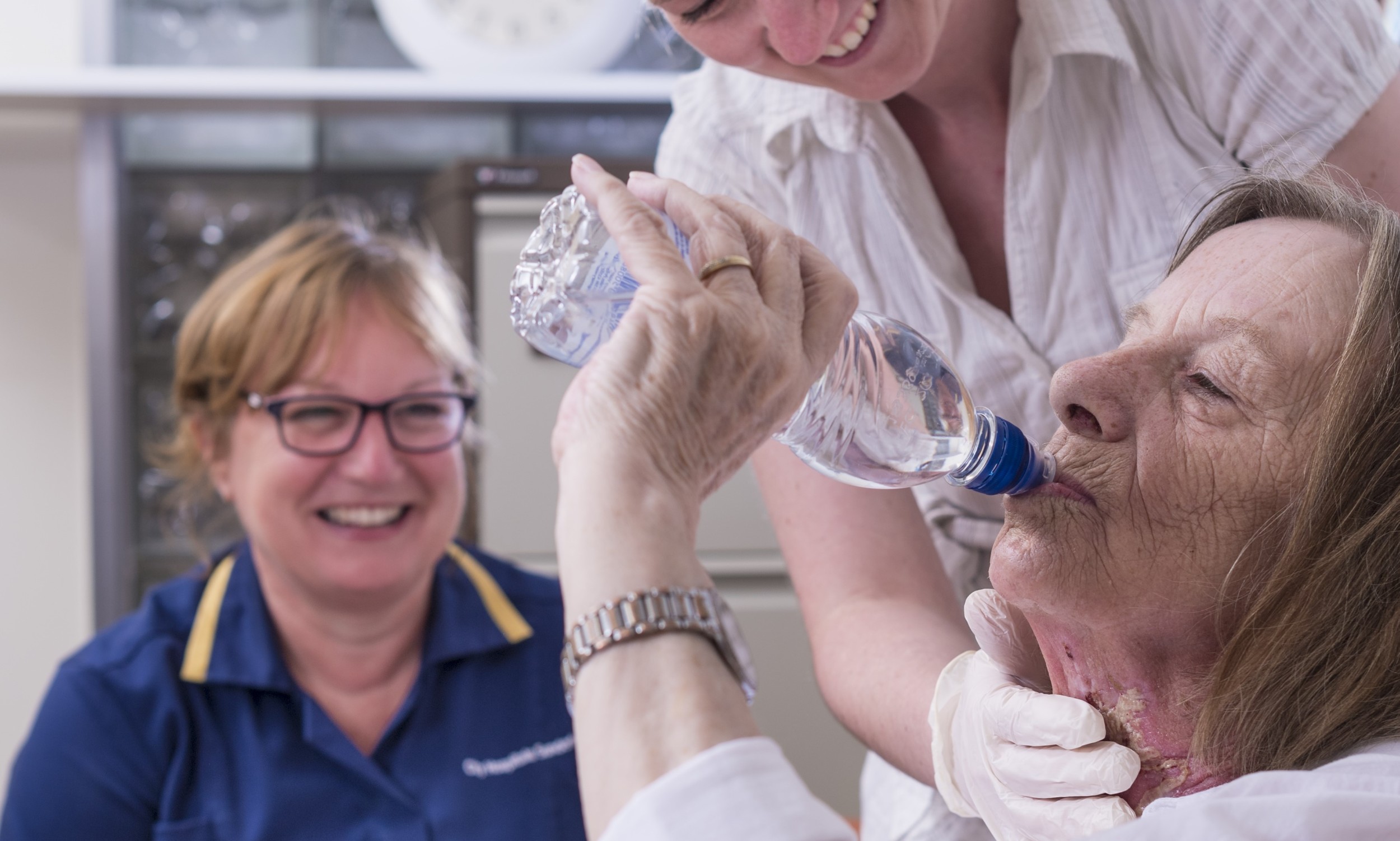
We also help adults who have problems with swallowing. These problems can happen because of other health conditions you have, or if you have had surgery.
What services do we provide?
We support people who have other medical conditions that affect their speech or swallowing. This could be a neurological problem. It might be after a stroke or if you have dementia. There are lots of reasons why you might need our help.
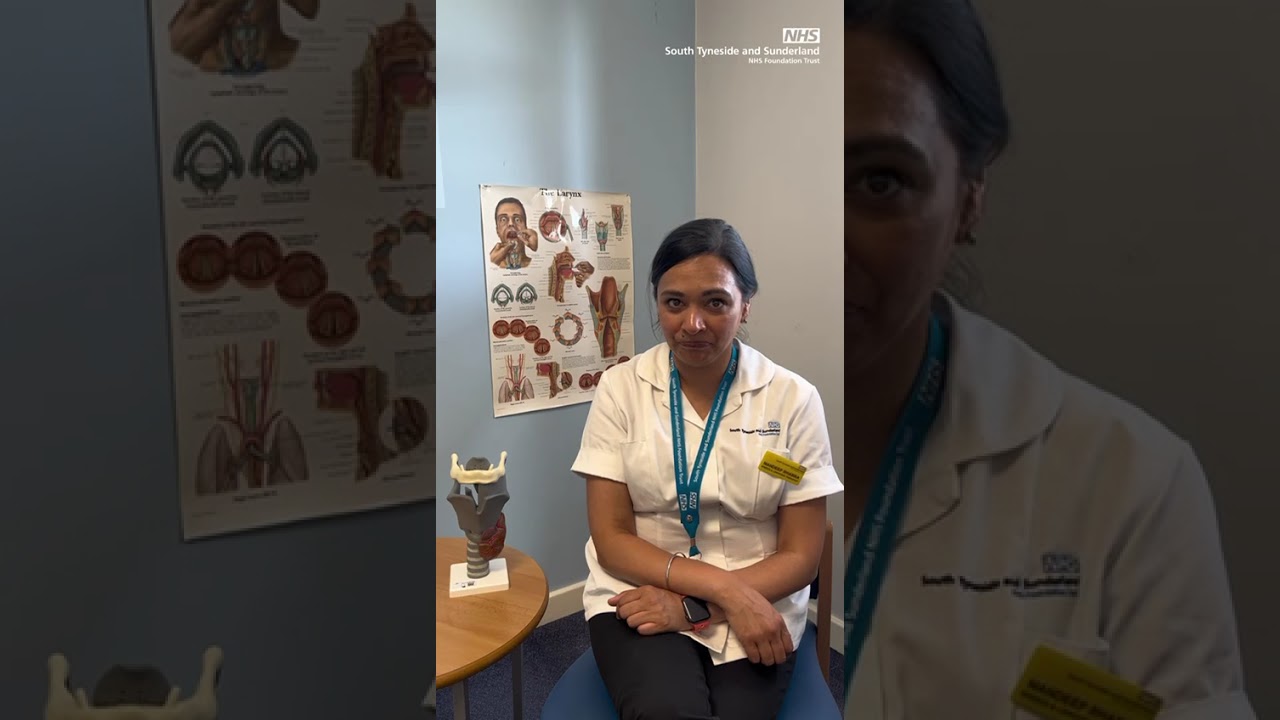
We help people who have problems with their voice, throat and breathing. This might be if your voice sounds hoarse or weak.
You may have a sore throat from using your voice too much, or a tightness. You might feel like you are clearing your throat a lot, like you are short of breath or have a cough that doesn’t go away.
Or, you may have a growth like polyps, nodules or cysts on the vocal cords. These are not cancer, but they can cause you problems with speech.
Sometimes, your voice may just change suddenly and you don’t know why.
If any of these things apply to you, we can help you get your voice back to normal.
We work with people, and their families, who have Head and Neck Cancer. The treatment can often cause problems with speech and swallowing. You may need help with eating and drinking. We will help you adjust to life after treatment.
What can we help with?
Swallowing - This is when you struggle to eat or drink and swallow things down. You might feel like you are choking or want to cough, or gag. It may also feel like something is stuck in your throat.
Slurred speech - This is where you have difficulty speaking because the muscles you use for speech are weak. It happens when there is damage to your brain or nerves and from some medicines. It will sound like your speech is unclear. This can make it difficult for you to make yourself understood. Your speech may only be slightly unclear, or you may not be able to speak clearly at all.
Difficulty when you speak, read or write – This is a condition that makes it difficult to communicate. It can make it hard to speak, read, write and understand others. It often happens after a stroke or brain injury. There is no cure, but you can improve with treatment.
Stammering – This is when you struggle to get words out. You may repeat sounds or make sounds longer. It is also known as stuttering. It can vary in how it affects you. Sometimes you might be ok and other times you may stammer. It usually starts in childhood.
Voice disorders – This is when your sounds hoarse or weak. You may have a sore throat from using your voice too much, or a tightness. You might feel like you are clearing your throat a lot, like you are short of breath or have a cough that doesn’t go away.
How do I access care?
We see people after their GP refers them for help.
We also see patients who are getting care from other specialist teams in the Trust.
If you live in our area and have had Head and Neck cancer, you can get in touch with us directly. Use the contact details on this page.
Your first appointment
- Your first appointment may be in person or over the phone. They may last up to one hour. Follow up appointments usually last 30 minutes.
- Your first appointment could be on your own, in a group, or in a special voice clinic. We will talk with you to understand what is causing your problems.
- During the appointment, we will check your voice problem. We will then come up with a plan to help you feel better. We will work with you to decide on the best treatment
- Please bring a list of your medications.
- A supervised student may observe or help with your treatment. Let us know if you do not want a student present.
- If you need an interpreter, we can arrange one for you. Please contact us before your appointment so we can set this up.
Attending your appointments
- Please let us know if you cannot make an appointment. We can then rebook it for you. You can call us on 0191 569 9009 to let us know. Please leave a message for your therapist and say your name and phone number.
- If you are late, we may also have to cancel and rebook you.
- Our attendance policy is that we will discharge you from our service if:
- you miss two appointments.
- you change more than two therapy sessions.
If this happens, you will need a new referral and go back on our waiting list.
Diagnostic tests
We may need to use special tests to look at how you swallow and see inside your throat. This will help us to find out what is wrong. Tests include:
- An x-ray to check your swallowing (Videofluoroscopy).
- A camera test called a FEES assessment. This stands for ‘Functional endoscopic evaluation of swallowing’. A camera goes in your nose and down the back of your throat. It might feel a bit uncomfortable when we do this. We will numb your throat beforehand, so you don’t feel any pain.
- Laryngoscopy – This test looks inside the part of the throat called the larynx. This is where the voice box and vocal cords are. For this test, the endoscope goes in through the mouth. We will sedate you for this test as it is uncomfortable.
Once we know what the problem is, we can develop a therapy plan with you. This will help you to manage the impact pf your problem and help you improve. We can support you with:
- exercises to help with speech and swallowing.
- advice on changing your diet and fluid textures.
- intensive therapy to help your voice.
- therapy and rehab to help improve how you can communicate.
- tips and techniques to help you adjust.
- counselling support for your emotional wellbeing.
Who will look after me?
Our speech and language therapists (SALT) are experts. They work with SALT assistants to develop your care plan.
They also work with other people who are involved in your care. This could be surgeons, cancer doctors and nurse specialists. We work with other staff like physios, psychologists, dieticians and occupational therapists. Our SALT team will arrange any support you need as part of your care.
We work most closely with our ENT and Head and Neck teams.
Where will my care take place?
We see lots of patients in our outpatient clinics. We run these from:
- Sunderland Royal Hospital
- Cleadon Park Primary Care Centre
- Sunderland Children’s Centre
- Washington Primary Care Centre
We run special clinics for:
- people who have had a laryngectomy. This is where you have your voice box removed.
- people who need an endoscopy test to look at your throat and voice box.
- people who are getting care from other services like ENT. These are with doctors and speech and language therapists in special voice clinics.
We also work in the community. Our SALT therapists can visit you at home or in another care setting if you need them.
Our SALT therapists work with teams across all of our hospital wards. They will come to see and assess you if you are in hospital and need their expert help.
For a full list of our Trust locations (click here).
Your appointment letter will let you know which location to go to.
Where can I find out more?
Our senior team in Speech and Language
- Divisional Director - Hannah Davison
- Associate Divisional Director - Jess Hutchings
- Directorate Manager - Tim Burdett
- Matron - Emma Gray
Watch the launch of our Head and Neck Cancer cookbook
Click on the image below to read our Head and Neck Cancer cookbook

How we can help with voice disorders
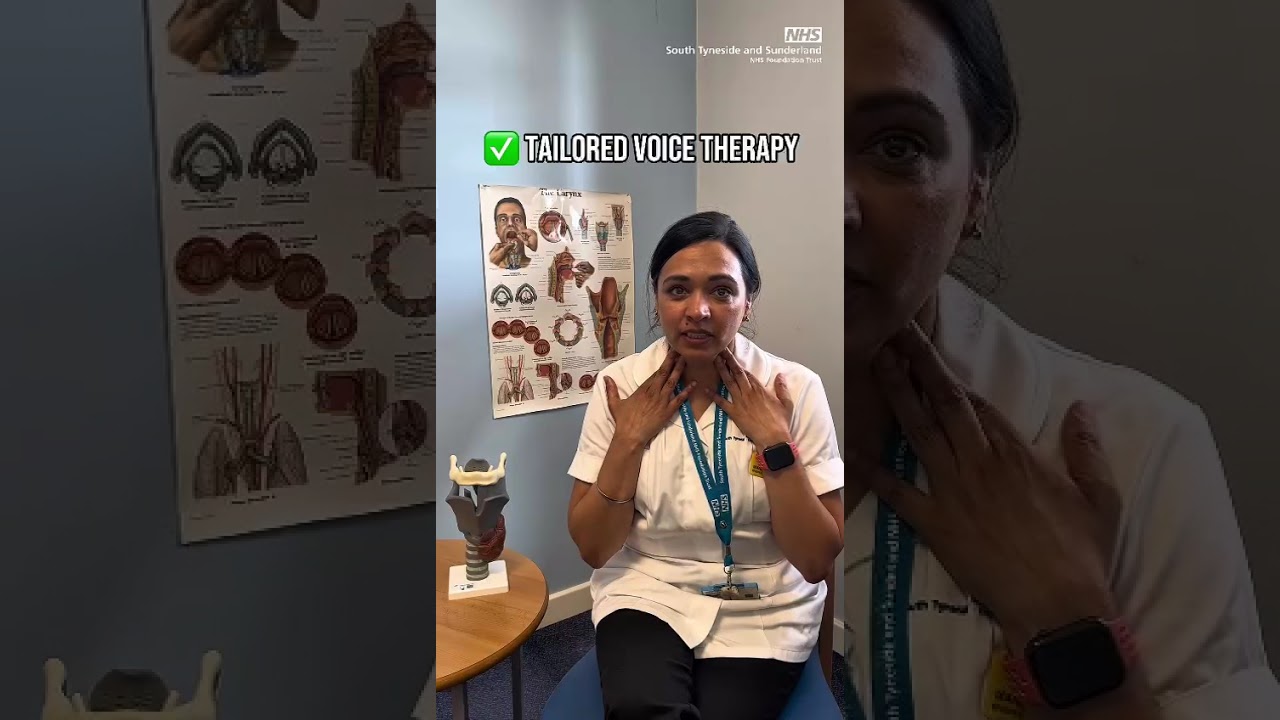
How we can help with a chronic cough
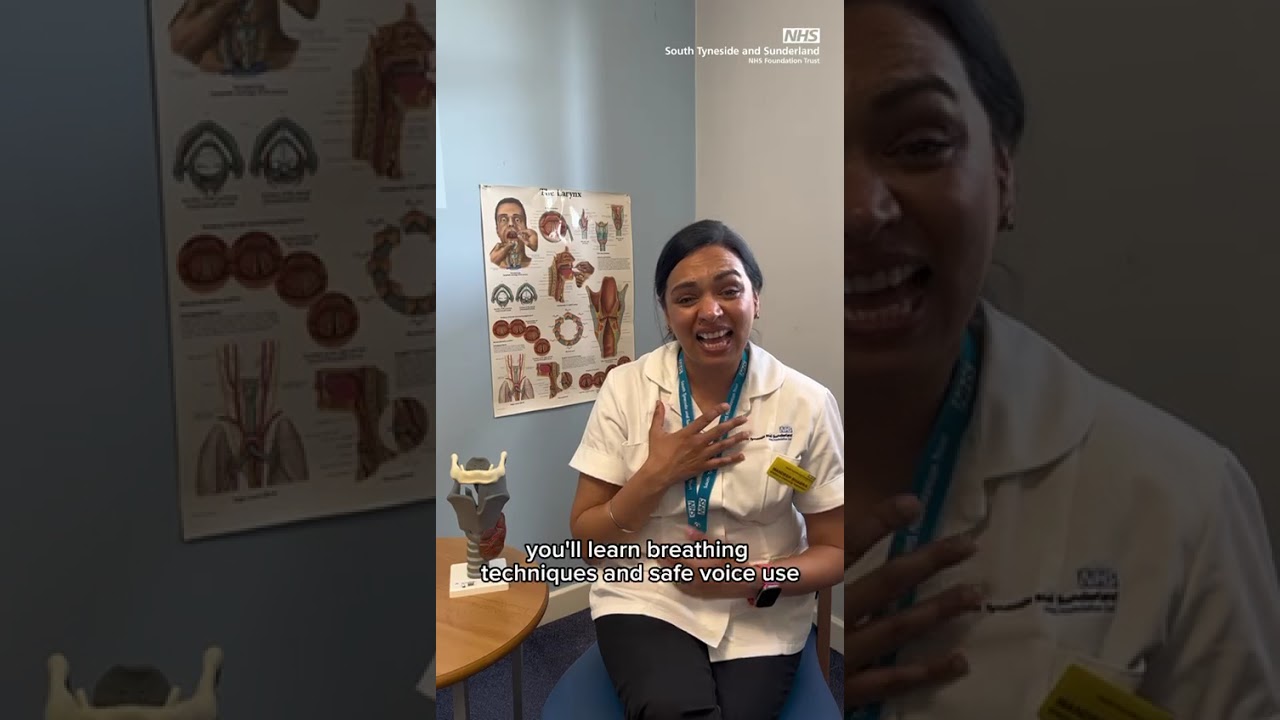
How we can help with vocal chord problems