Staying healthy is one of the best things you can do for yourself.
When you look after your body and mind, you feel better every day. Small changes can make a big difference.
While no one can avoid all illnesses, there are many simple things you can do to lower your chances of getting sick. This will help you feel well, stay active and enjoy daily life. It can also stop small problems from turning into bigger ones. When you stay healthy, you have more energy, miss fewer days at work or school and feel better overall.
Being healthy is not just about avoiding illness. It is about having the energy to do the things you enjoy. It helps you sleep well, think clearly and cope with stress. It also lowers the chance of serious health problems in the future.
You do not have to make lots of changes at once. Even small steps can help you feel stronger, happier and more confident. On this page, you will find trusted advice and support to help you make choices that work for you.
You are not alone. We are here to help you every step of the way.
What can I do to help myself?
Eating a healthy, balanced diet is an important part of maintaining good health and can help you feel your best.
This means eating a wide variety of foods in the right proportions and consuming the right amount of food and drink to achieve and maintain a healthy body weight.
What does a healthy, balanced diet look like?
The NHS Eatwell Guide shows that to have a healthy, balanced diet, people should try to:
- eat at least 5 portions of a variety of fruit and vegetables every day
- base meals on higher fibre starchy foods like potatoes, bread, rice or pasta
- have some dairy or dairy alternatives (such as soya drinks)
- eat some beans, pulses, fish, eggs, meat and other protein
- choose unsaturated oils and spreads, and eat them in small amounts
- drink plenty of fluids (at least 6 to 8 glasses a day)
What if I need help to do this?
Our nutrition and dietetic service is here to give safe and effective diet advice and treatment if you have nutrition‑related health conditions.
If you don't have a nutrition-related health condition and are concerned about your eating habits, speak to your GP. They can give you support and advice.
Why is drinking less alcohol important?
Cutting down on alcohol is important because it helps you feel healthier, have more energy, sleep better and manage your weight, as many drinks contain hidden calories that add up quickly.
Drinking less also lowers your risk of long‑term health problems such as high blood pressure, liver damage and some cancers. It can improve your mood and overall wellbeing.
Even small steps toward reducing alcohol can make a positive difference to how you feel each day.
How do I know if I need help?
You may need help if:
- you often feel the need to have a drink
- you get into trouble because of your drinking
- other people warn you about how much you're drinking
- you think your drinking is causing you problems
Where can I get help?
Speak to your GP. Try to be honest about how much you drink and any problems it might be causing you.
They can give you details of support services.
You can also find some useful websites on this page under the header "useful links".
Our alcohol care team (ACT)
Our ACT helps people who come to hospital if they need support with alcohol.
The ACT is available 7 days a week. They work to make sure patients who need help with alcohol get support before they go home.
The ACT works closely with the Emergency Department and other hospital wards. They also link up with social services and teams in the community. This helps to direct people to the right help after they leave hospital.
Why is it important to stop smoking?
Stopping smoking is important because it helps your body get healthier and feel better.
When you quit, your lungs start to work more easily, your breathing improves and you might cough less. Your heart and blood vessels also become healthier, which lowers your risk of heart disease and stroke.
Smoking is linked to many serious illnesses, including cancers and lung disease, so stopping reduces these risks and helps you live a longer, healthier life. You may also notice more energy, better taste and smell and improved mood once your body starts to repair itself.
Quitting also protects the people around you from second-hand smoke, helping your family stay healthier too.
Where can I get help?
You can speak to your GP or local stop smoking service.
In Sunderland, you can speak to Sunderland Stop Smoking Service.
In South Tyneside, you can speak to South Tyneside Council's Stop Smoking Service.
You can also download the NHS Quit Smoking app.
Our Tobacco Dependency Team
Our Tobacco Dependency Team gives specialist help to people who smoke. We support you if you're an inpatient or you're pregnant and using our maternity services.
If you're an inpatient we:
- visit you on the ward to help you stay smokefree or to stop smoking altogether
- make sure you get nicotine replacement products
- come back to the ward to give you some more support
If you're pregnant we:
- support you if you have a carbon monoxide reading above 4ppm at your first appointment
- support you if you have recently quit smoking without help
We also make sure support continues after people leave our care. We work with patients, local stop‑smoking services and pharmacies so they get the ongoing help they need.
Why is staying active important?
Staying active is important because it helps your body stay strong and healthy.
Regular movement can lower your risk of major illnesses like heart disease, stroke, type 2 diabetes and some cancers, and it can also help you sleep better and feel more energetic.
Being active can also improve your mood, reduce stress and help you feel more confident. Even small amounts of activity can make a positive difference to your health and overall wellbeing.
What if I need help?
If you need help to stay active, speak to your GP. They can give you advice and support. They might refer you to one of our teams if you have a health-related condition that stops you from being active.
Many cases of tiredness are due to stress, not enough sleep, poor diet and other lifestyle factors. The NHS has shared tips on how to improve your sleep. You can see these here.
If you feel you're suffering from fatigue, which is an overwhelming tiredness that isn't relieved by rest and sleep, you may have an underlying medical condition. You can speak to your GP for advice.
Why is it important to look after my mental health?
Good mental health is important at every stage of life, from childhood to adulthood. It helps you feel more calm, confident and able to cope with daily life.
Simple steps can make a big difference, such as getting enough sleep, spending time with people you trust, being active and eating well.
Taking breaks, talking about your feelings and finding small ways to relax can also help you manage stress.
Making these habits part of your routine supports your wellbeing and helps you handle difficult times more easily.
What if I need help?
We run mental health services in Sunderland, South Tyneside and Gateshead.
We also have a psychiatric liaison team in Sunderland. They see people in the hospital who need help with their mental health. This includes people who self-harm, feel suicidal, or have mental health problems linked to older age, such as dementia or delirium.
We also support children under 18 in the paediatric emergency department and on the children’s wards.
You can find out more here.
What if I am having a mental health crisis?
If a person’s mental or emotional state gets worse quickly, this can be referred to as a mental health crisis or a mental health emergency. If this happens, it is important to get help quickly.
A mental health crisis can mean different things to different people, but often means that you no longer feel able to cope or be in control of your situation. It can cause a significant disruption to your life and your ability to function.
You should call NHS 111 and select option 2 for crisis mental health support if you are worried about:
- thoughts about your life not being worth living or about harming yourself
- feeling out of control or unable to cope
- feeling anxious about leaving the house
- hearing voices or seeing things that others can’t
If you or someone else has physically harmed themselves, or if their life is at risk, call 999 or go to your nearest Emergency Department.
Why is it important to look after my sexual health?
Looking after your sexual health is important because it helps protect you from infections, unplanned pregnancies and other health problems.
Staying safe also supports your emotional wellbeing and helps you feel more confident in your relationships.
What can I do to help myself?
You can look after your sexual health by using condoms, getting tested regularly (especially because some infections have no symptoms) and seeking advice from free, confidential sexual health services when you need it. Regular check-ups, knowing how to access contraception and getting reliable information all help you make safe, informed choices about your body and your relationships.
Where can I get help?
We run sexual health services and clinics in Sunderland, South Tyneside, Gateshead and Newcastle. Find out more here.
What is domestic violence?
Domestic violence, also called domestic abuse, includes physical, emotional and sexual abuse in couple relationships or between family members.
Domestic violence can happen to anyone, and anybody can be an abuser. Find out how to recognise the signs and where to get help.
If you're worried someone might see you have visited this page, the Women's Aid website tells you how to cover your tracks online.
Where can I get help?
If your life is in immediate danger, call 999 and ask for police. If you are in danger but cannot speak, press 55 when prompted by the operator to indicate it is a genuine emergency. This will connect you to police. If you do not press 55, the call might be ended.
You can also speak to your GP, health visitor, midwife or any member of our staff.
Where can I find out more?
General
Eat healthy
Drink less alcohol
Stop smoking
Stay active
Sleep well
Mental health
- Qwell
- Kooth
- Tyneside Women’s Health
- Age UK
- Mental Health Foundation
- Time to Change
- Rethink
- Mental Health Matters
- Saneline
- Citizens Advice Bureau
- Creative Support
- National Debt Line
Sexual health
- South Tyneside Sexual Health
- Gateshead Sexual Health
- Sunderland Sexual Health
- Newcastle Sexual Health
Domestic violence or abuse
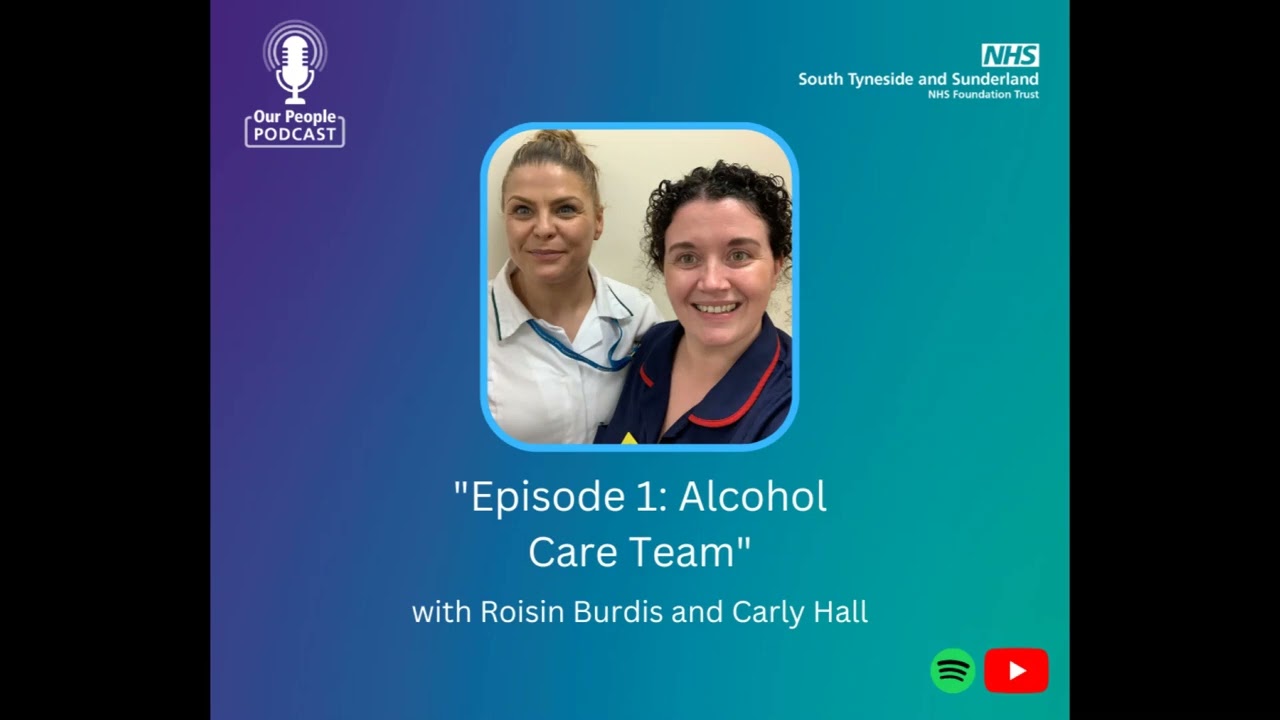
Hear more from our Alcohol Care Team on this episode of Our People Podcast: