What is organ donation?
Organ donation is when you decide to give an organ to save or transform the life of someone else.
You can donate some organs while you are alive. This is called living organ donation.
However, most organ and tissue donations come from people who have died.
Not everyone who dies can be an organ donor. That’s why every potential donor is precious.
Anyone can register to become an organ donor when they die. There is no age limit.
Parents and carers can register their children. Children can also register themselves. They will need permission from their parent or carer if they are under 18 (or under 12 in Scotland).
To donate organs when you die you need to die in hospital in specific circumstances. Special doctors will decide whether someone’s organs and tissue can be donated.
There are some people who can’t be organ donors. Doctors will consider your medical, travel and social history. You also can’t be an organ donor if you have – or if doctors think you have:
- Creutzfeldt-Jakob Disease (CJD)
- Ebola virus disease
- Active cancer
- HIV (except in rare cases)
You can choose to donate some or all of your organs.
Organs you can donate are your:
- Heart
- Lungs
- Liver
- Kidneys
- Pancreas
- Small bowel
You can also donate tissue. This includes:
- Cornea (eye)
- Heart valves
- Skin
- Bone
- Tendons
There are some organs you can’t donate unless you are part of a special research programme. These are:
- Hands
- Face
- Limbs (arms and legs)
- Womb
You don’t have to be an organ donor if you don’t want to. It is important to register your decision.
Now that the law has changed, you will become an organ donor when you die if:
- you are over 18,
- you have not opted out,
- you are not in an excluded group.
If you want to opt out you must fill in a form. You can do this by clicking on this link. You can register or change your decision at any time.
Doctors will talk to your family when you die about donating your organs. They can say no.
If you want to be a donor, it’s important that you tell your family. This way they can make sure you get your wish.
Every year, hundreds of life-saving transplants are missed because families aren't sure what to do.
Yes. The most suitable match will come from a donor from the same ethnicity.
Black, Asian and minority ethnic people wait longer for a successful match than white people. This is because there are not enough donor matches.
If you are Black, Asian or belong to a minority ethnic group becoming an organ donor could save someone's life.
A living donor is someone who donates an organ while they are still alive to:
- A family member
- A friend
- Someone they don’t know
Kidneys are the organ donated most often by living donors. You can lead a normal life with only one working kidney. This means people can donate the other one to help someone that needs a kidney transplant.
You can also donate part of your liver.
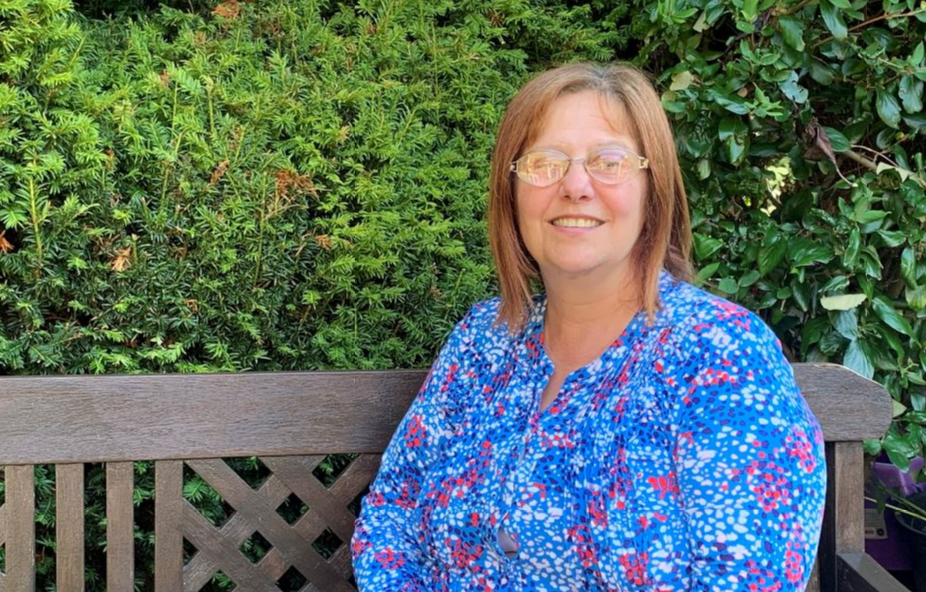
Grandmother’s sight saved by donors
A grandmother can only see her loved ones because of organ donation. She asked people to think about the difference it can make to save lives and save sight.
Julie Currie’s greatest joy is to be able to see her four grandchildren and other family members.
The cornea (eye) transplant she had at Sunderland Eye Infirmary also means she is not living in pain that her condition can cause.
Read the full story here by clicking here.