Our nutrition and dietetic service is here to give safe and effective diet advice and treatment if you have nutrition‑related health conditions.
We work with you to help you eat well and manage your condition in the best way possible.
Our team supports patients in both the community and in hospital across South Tyneside and Sunderland. This helps make your care smooth and joined‑up, whether you are seen by your GP or in hospital.
Dietitians are registered with the Health and Care Professions Council. They are trained to turn the science of food and nutrition into clear, practical advice. They can support you with any nutrition‑related health issue.
Dietitians work as part of a larger healthcare team. This includes:
- doctors
- specialist nurses
- ward staff
- speech therapists
- physiotherapists
- podiatrists
- GPs
Together, we support patients, families, and carers to make sure everyone receives the best possible care.
We also help promote good health by training other healthcare professionals and teaching the public about diet and nutrition.
When you are unwell, your body needs extra energy and nutrients to help you fight illness and heal. Eating well can help you keep your strength, maintain your weight and recover more quickly.
If you do not eat enough, you may become weak, lose muscle or take longer to get better. Good nutrition also helps your immune system work properly so your body can defend itself.
Even small changes, like eating little and often or choosing higher‑energy foods, can make a big difference when you are poorly.
We can help you understand and manage your condition and make changes to your diet. This can include things like:
- Allergies
- Cancer
- Constipation and other digestive system problems
- Diabetes
- Dietary exclusions (needing to leave certain foods out of your diet)
- High cholesterol
- Kidney problems
- Nutrition deficiencies (not enough vitamins for example)
- Stroke
- Tube feeding
- Weight management (adults and children)
We help:
- you to have a healthy balanced diet
- you make healthy lifestyle changes
- support you through recovery
- reduce the risk of malnutrition
- reduce the risk of skin damage
- improve your strength
We work closely with you and your family or carers to give care that is right for you. When we make your nutrition plan, we look at your medical conditions and blood results so we can understand exactly what you need.
What services do we provide?
We give support to lots of different services for different reasons. These include:
We assess and treat patients in hospital who need help with their diet.
Our team can give advice on:
- healthy eating
- nutrition support
- food textures
- supplements
- other diet needs linked to different medical conditions
When you come into hospital, you will be checked using the Malnutrition Universal Screening Tool (MUST). Malnutrition happens when your body does not get the right amount of nutrients it needs to stay healthy. If this shows that you are at high risk of malnutrition, you will be referred to the dietetic team for more assessment and treatment.
Dietitians and Dietetic Support Workers also help train other healthcare staff in both hospital and community settings.
Patients in the Integrated Critical Care Unit (ICCU) can have complex nutrition needs because of the treatments they receive.
Sedation, dialysis and surgery can all affect what their body needs.
The dietitian looks at all of these factors and creates a nutrition plan that is safe and right for each patient.
Dietitians in the gastroenterology (digestive system) team check your nutrition and hydration needs both in hospital and at clinic appointments.
We support people with many different gut‑related conditions including:
- coeliac disease
- cancers of the upper digestive tract
- inflammatory bowel disease (IBD)
- irritable bowel syndrome (IBS)
- pancreatic disease
- liver disease.
We create a plan that is personalised and right for your condition.
Our paediatric dietetic teams help children and their families.
At Sunderland Royal Hospital the service includes both inpatients and outpatients. At South Tyneside District Hospital, children and their families are seen as outpatients. Inpatients stay in hospital overnight. Outpatients come to hospital for appointments and go home the same day.
We help babies, children and young people from birth to 18 years old. They might have nutritional problems or conditions including:
- Allergies
- Behavioural eating problems
- Faltering growth (not growing or gaining weight as expected)
- Nutritional deficiencies (not enough vitamins for example)
- Feeding difficulties
- Being underweight or overweight
- Type I and Type II Diabetes
- Coeliac disease
- Children that require Nasogastric (NG) or Gastrostomy (G-tube) feeding (when feeding through the mouth isn't possible or safe)
We work with families, health visitors, school nurses and other medical professionals so that your child receives care from a full team of experts. This joined‑up approach helps us give safe, well‑planned and consistent support.
We also support the children's Emergency Department and other clinics.
Our diabetes team gives specialist, evidence‑based diet advice to help you manage your diabetes safely. When we make a plan with you, we think about your nutrition, your medicines, your blood sugar control and your lifestyle.
We work closely with consultants, diabetes nurse specialists, GPs, podiatrists and other healthcare professionals. Together, we provide care for people with both Type 1 and Type 2 diabetes.
We offer:
- A DESMOND course – for people who have recently been diagnosed with Type 2 diabetes
- An antenatal clinic – support for pregnant women with diabetes
- A young people’s clinic – for children and teenagers living with diabetes
- Type 1 courses – including carbohydrate counting and insulin dose‑adjustment
- Support for complex diabetes needs
At Sunderland Royal Hospital we also provide:
- Diabesity clinic – for people with both diabetes and obesity
- Lipid clinic – support for managing cholesterol and fats in the blood
- Retinal screening clinics – newly diagnosed patients will see a dietitian for advice on a healthy diabetic diet
We provide a specialist, joined‑up service for adults who have cancer.
We can help you build up your strength before treatment, support your nutrition during and after treatment, and help improve your quality of life.
You might see us in different places depending on your needs. We can support you:
- as an inpatient on the ward
- in a dietitian‑led oncology clinic
- on the oncology haematology day unit
- in a enteral feeding clinic (for people who need tube feeding)
- at home if you are housebound
We provide an outpatient service through clinic appointments, home visits and visits to nursing homes.
This service supports people who need diet advice and prescribed nutritional products because of disease‑related malnutrition.
We also train staff in care homes so they can assess residents, make referrals and take steps to improve nutritional intake.
Our aim is to act early to prevent weight loss and malnutrition. We work with nursing staff, pharmacists and GPs to make sure prescriptions are appropriate and provided on time. Patients can be referred by a GP, a consultant or nursing home staff.
The Head and Neck Dietitian gives help and advice about eating and drinking. They may suggest changes to your diet, prescribe supplements or support you with tube feeding if needed.
The dietitian sees patients having all types of treatment for head and neck cancer, including radiotherapy, chemotherapy and surgery. Their aim is to help you keep your strength, manage side effects and get the nutrition you need throughout your treatment.
Dietitians work as part of the wider stroke and neuro-rehabilitation teams to assess your nutrition and hydration needs.
We support people who have had a stroke, a brain injury or another neurological condition. These conditions include Cerebral Palsy, Guillain‑Barré Syndrome, Multiple Sclerosis, Muscular Dystrophy, Parkinson’s Disease and Spinal Cord Injury.
We work closely with Speech and Language Therapists to make sure the diet advice we give is safe and right for you. We continue to support patients throughout their recovery and after they go home from hospital.
The dietitian assesses and treats patients who have a pressure sore or develop one while in hospital. They also support families and carers by giving clear advice on nutrition to help wounds heal and prevent new sores from forming.
The team provides a specialist service for residents living in care homes in the Sunderland area. We assess each person’s nutrition and hydration needs and give care home staff clear advice on how to support their residents so they can get the nutrition they need.
We also train care home staff on how to assess patients, make referrals and carry out the right steps to improve a resident’s food and fluid intake.
The weight management team assesses your needs and gives advice to help you work towards a healthier weight and BMI.
The service includes:
- Adult BMI weight management clinics
- Orlistat clinic – support for people using weight‑loss medication
- Child weight management clinic
- Bariatric team – supporting people who may need weight‑loss surgery
We are a regional centre for bariatric surgery and provide specialist surgical weight‑management care for patients who are clinically obese.
Dietitians and dietetic support workers assess, advise and support patients who are being considered for bariatric surgery. They help you understand the changes needed before and after surgery so you can stay safe and get the best results.
Our renal dietitians assess and support the nutrition needs of people with both acute and chronic kidney disease. We give clear, practical diet advice at every stage of kidney disease. All advice is tailored to each person’s needs, and we work closely with patients, families and carers.
Nutritional support might include guidance on specific dietary restrictions, such as potassium, phosphate, salt, fluids, diabetes management, weight management and general nutrition support.
The renal dietitians work with consultants, doctors and specialist nurses at Sunderland Royal Hospital. We support patients in outpatient clinics, on the renal unit (including the satellite units at Washington and Durham) and on the wards.
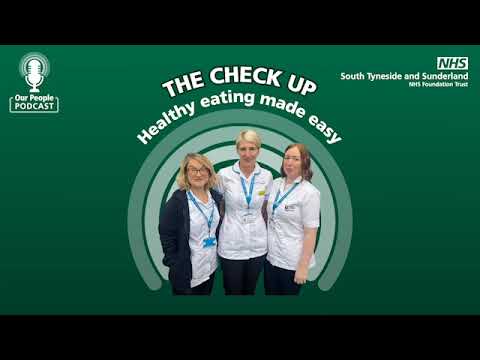
Listen to our team talk about healthy eating made easy in this episode of Our People Podcast:
Where can I find out more?
We run clinics at different sites. Our main bases are at South Tyneside District Hospital and Sunderland Royal Hospital.
We will try to offer you, where we can, a location and time that suits you. We have some evening clinics.
We will tell you where you need to go on your appointment letter or the text that you receive before your appointment.
We also provide clinics over the phone and home visits if you can't come to a clinic.
Our main bases
South Tyneside
We are based at Edythe Brown House. This building is on the right if you enter through Harton Lane. It's just before the IDC and Ingham Wing.
Sunderland
We are based at Chester Wing entrance 8.
Our senior team in Nutrition and Dietetics
Clinical director - Ruth Rayner
Divisional director - Hannah Davidson
Directorate manager - Tim Burdett
Head of service - Scott Covington