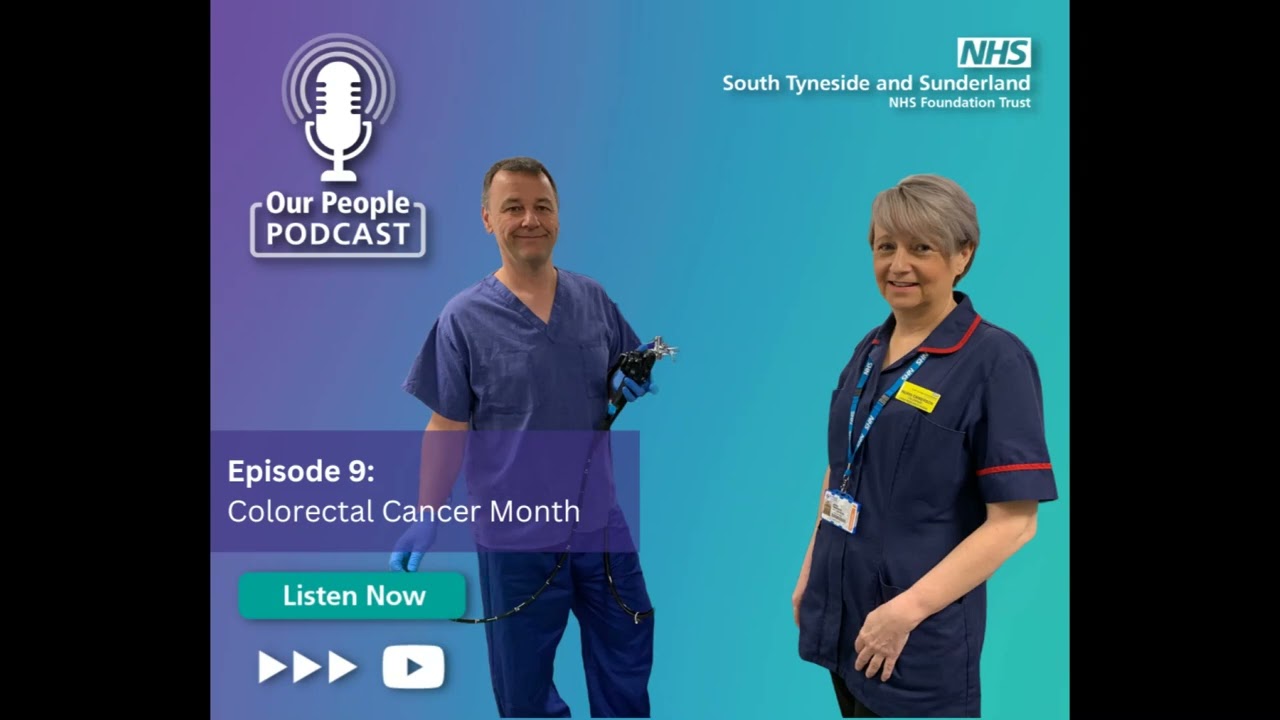
In this service, we look after problems with your colon (large bowel) and rectum (bum). Many of the patients we see are having treatment for cancer. We also see lots of people who need help with other bowel or bum problems.
What conditions do we treat?
Polyps – these are small growths on the lining of bowel or bum. They are quite common for lots of people. They are not usually serious, but they can lead to cancer. That is why want we remove them. We usually do this straight away as soon as we find them.
Anal fistulas – this is a small tunnel between your bowel and the skin near your bum. It mostly starts from an infection. This causes pus to collect and form an abscess. When the pus drains away, it can leave a small channel behind. This can cause pain and irritation. You will need surgery to fix it.
Piles – these are lumps inside and around your bum. They often get better on their own after a few days of good self-care. There are things you can do to treat and prevent piles. We only see people in hospital if your piles will not heal.
Rectal prolapse – this is when the end of your bowel slides out through your bum. This forms a lump. At first, this might only happen when you have a poo but eventually it might be there all the time. It can cause discomfort and hinder your daily life.
Cancer – we care for people with cancer that affects their bowels or bum. There are four types. These are:
What type of treatment will I have?
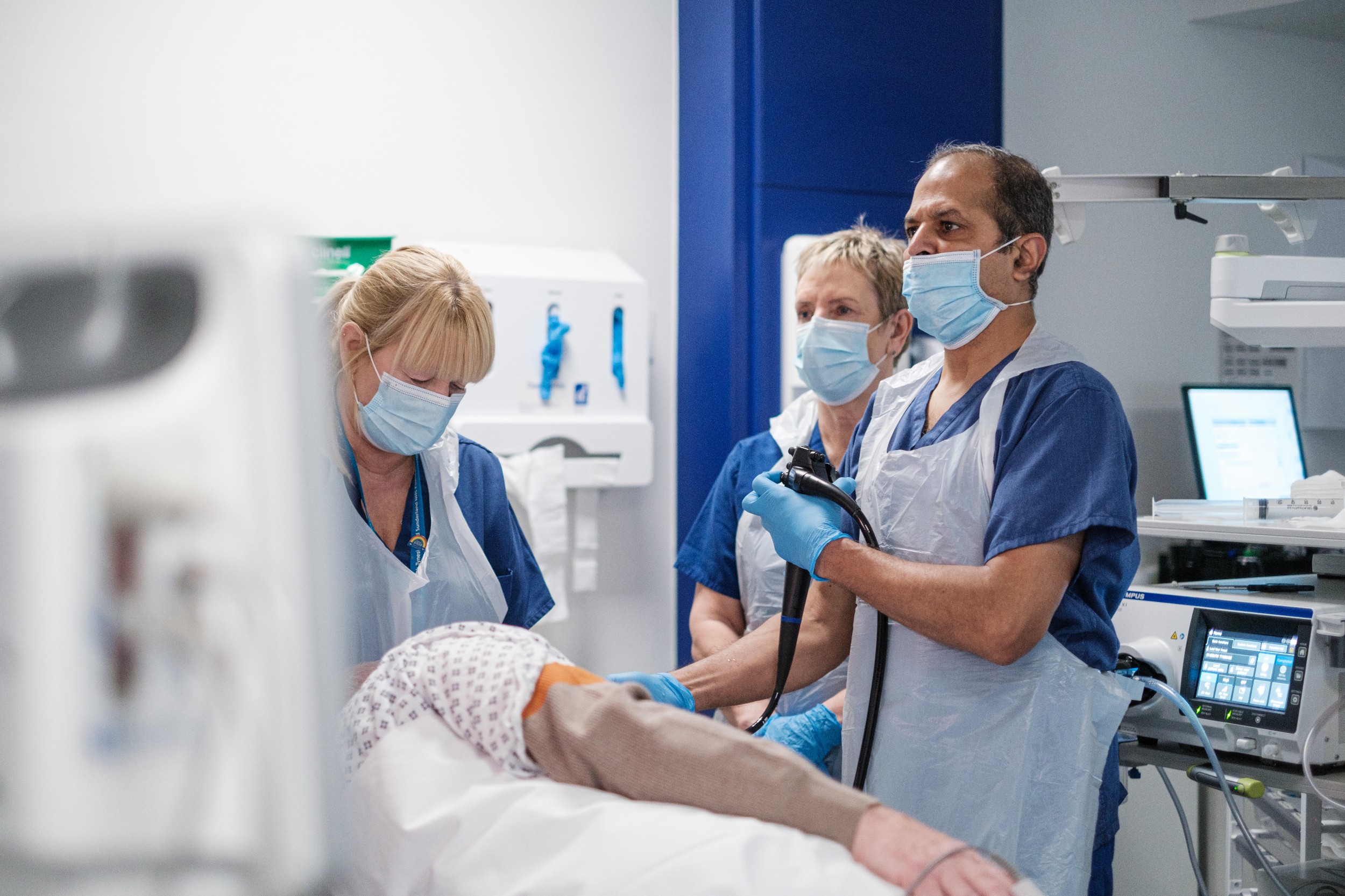
One of the first things we need to do is diagnose the problem. You will have an endoscopy. This is a procedure used to look inside your bowel to diagnose or treat conditions. You can read about the different types here. You will go home on the same day after you have had any of these procedures.
Some of the common operations we do are:
- Colostomy - this is when we bring part of your large bowel (colon) out through an opening made in your tummy. This forms a stoma. You will no longer poo from your bottom. It will come out of the stoma into a pouch or bag you stick on your tummy.
- Ileostomy – this is when we bring the end of your small bowel out through an opening made in your tummy. This forms a stoma. You will no longer poo from your bottom. It will come out of the stoma into a pouch or bag you stick on your tummy.
You will need to stay in hospital for a short while to recover after surgery.
Robotic surgery
- We use surgical robots to treat some of our patients who have cancer. We were one of the first Trusts to use surgical robots. Using the robot, it means you will have a much faster recovery time. There is also less chance of having problems after your surgery. It depends on what procedure you are having as to whether we use the robot.
Who will look after me?
A specialist team will look after you. We have a team of consultant surgeons who will lead your care. They work as part of a wider theatre team.
They also work with our specialist nurses, healthcare assistants and the whole ward team, to look after you. You may also see physios and other therapists as part of your recovery.
They are all are experts in what they do. Together, we will agree a treatment plan with you. We will explain which treatment may be best for you, and the benefits and risks.
For some conditions, our team works with other experts too. This includes cancer doctors and our psychology team, to give you the best care.
Our nurses are there to support you every step of the way during your care.
They are experts in colorectal care and looking after you if you need a stoma.
They are your key point of contact and will co-ordinate your care. They can help with any emotional needs, as well as your physical needs.
Finding out you have cancer and having treatment can affect all parts of your life. We will support you and your family to cope and adjust. Click here to read more about our psychology team and how they can help you.
Where will my treatment take place?
We have endoscopy units in both South Tyneside and Sunderland. This is where you will go for your first diagnostic tests.
We have Day of Surgery Admissions Unit (DOSA) in Sunderland. This is where patients come on the day of their operation. In South Tyneside, you will go to the Surgical Centre.
If you need to stay in hospital after surgery, you will be on one of these wards:
- Ward 9 (Surgical Centre) – South Tyneside District Hospital
- Ward F62 (planned care) – Sunderland Royal Hospital
- Ward C30 (complex and emergency cases) - Sunderland Royal Hospital
We run clinics in lots of places. We may see you in person or talk to you over the phone or via video. For a full list of our Trust locations (click here).
Your appointment letter will let you know which location to go to.
Click here for directions to South Tyneside District Hospital.
Ward 9 (Surgical Centre) is located on the third floor of the Ingham Wing. You can access it via the lifts or stairs near the hospital’s main entrance.
Click here for directions to Sunderland Royal Hospital.
Ward F62 is on F floor. This is the top floor of the hospital.
If you have an outpatient appointment, this will be in Chester Wing. This is on C floor (Entrance 5).
If you are coming to see our clinical psychology team, this is in Chester Lodge. The team is on the 4th floor. Click here to see a site map.
Where can I find out more?
- National bowel cancer screening programme - click here
- Bladder and bowel community - click here
Our senior team in Colorectal
-
Divisional Director- Caroline McGrath
-
Associate Divisional Director – Caroline Bell
- Clinical Director - Mr Will Carr
- Directorate Manager – Susan Askew
- Matron - Jonathan Watters
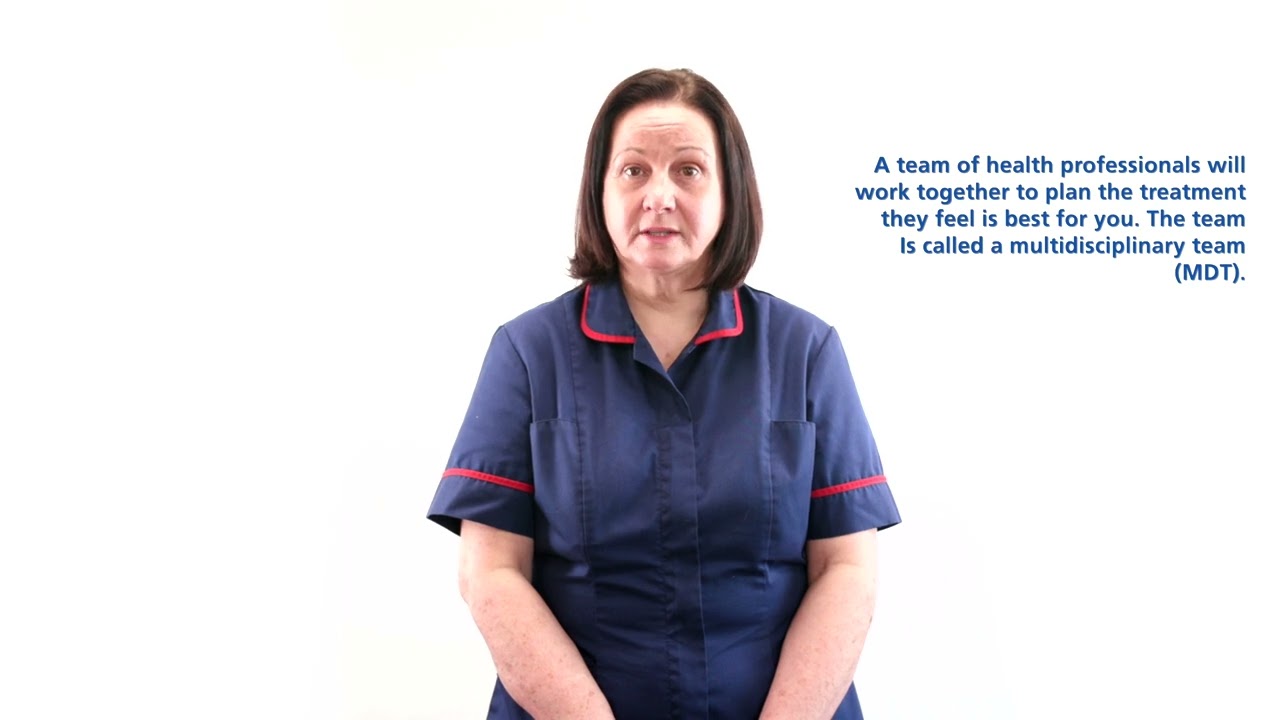
Click on the video below to hear from our Colorectal / Stoma care nurses
Click on the link below to listen to our Podcast on Colorectal Cancer Awareness