Oncology is the part of medicine that focuses on cancer.
Doctors who work in this area are called oncologists.
Oncology helps people:
- get the right diagnosis
- start treatment as early as possible
- manage symptoms
- understand their options
- feel supported through a very difficult time
What should I know?
Cancer happens when some cells in the body grow in a way they shouldn't.
These cells can form a lump called a tumour, or they can spread to other parts of the body.
Oncology helps find cancer, treat it and support you during your care.
Oncologists help diagnose cancer. They use tests like:
- blood tests
- scans
- biopsies (taking a small sample of tissue)
If you have cancer, the oncologist creates a treatment plan that fits your needs.
Oncologists also help manage symptoms and side effects. They work with nurses, counsellors and other specialists to support you and your family.
There are different kinds of oncologists:
- Medical oncologists - they use medicines like chemotherapy
- Radiation oncologists - they use radiotherapy (high‑energy rays that target and shrink cancer)
- Surgical oncologists - they perform surgery to remove cancer
- Paediatric oncologists - they treat children with cancer
What services do we provide?
Our Cancer Information Hub has more information on services, advice and support. Some of these include:
What is screening?
Screening means testing people for early stages of a disease. It is a way of identifying healthy people who:
- might have an increased risk of getting cancer
- might have developed a cancer but not have symptoms of this
We offer screening to the people who are most likely to benefit from it.
Screening tests can be done in different ways for different types of cancer sometimes this involve an X-ray test, a swab or a sample of your poo.
What happens with my results?
If you get a normal result (negative result) after a screening test, this means you are at low risk of having the condition. This does not mean you will never develop the condition in the future, just that you are low risk at this time.
If you have a higher-risk result (positive result), it means you may have the condition that you've been tested for. You will be offered more tests to confirm if you have the condition. You can then be offered treatment, advice and support.
Finding out about a problem early can mean that treatment is more effective.
What kinds of screening do we provide?
Bowel cancer screening
Bowel cancer is one of the most common cancers in the UK.
Screening is currently offered to people aged 50 to 74 every 2 years. This is because your risk of getting bowel cancer gets higher as you get older.
You can also get screening for bowel cancer every 2 years if you're aged 75 or over, but you need to call the bowel cancer screening helpline on 0800 707 6060 and ask for the test.
Bowel cancer screening uses a test called a faecal immunochemical test (FIT) to look for blood in a sample of your poo. This could be a sign of bowel cancer.
Breast screening
Breast screening uses X-rays, called mammograms, to look for cancers that are too small to see or feel.
All eligible women registered with a GP will be invited for breast screening. You will automatically get your first invitation for breast screening between the ages of 50 and 53. You'll then be invited every 3 years until your 71st birthday.
Cervical screening
Cervical screening, which you might know as a smear test, is a test to check the health of the cervix and help prevent cervical cancer.
All women aged 25 to 64 are invited for cervical screening every 5 years. Everyone with a cervix should be offered screening.
Lung cancer screening
Our Lung Cancer Screening Programme checks if you have lung cancer. It is available to everyone who is:
- registered with a GP in Sunderland or South Tyneside
- aged between 55 and 74 years old
- a current or ex-smoker
We look at the health of your lungs. Screening is done in two parts:
- You will have a phone call or meeting with a health professional. They will ask you about your health. They will look at your risk of developing lung cancer. If you are at higher risk you will be invited for a lung CT scan.
- The scan takes a detailed picture of your lungs. This will be looked at by experts in this area. If they find any problems, you will be asked to come back for more treatment.
Why do I need a scan or test?
If you have symptoms of cancer then tests and scans help us find out what is wrong with you. This will help us to find the best support and treatment for you.
What scans or tests might I have?
There are lots of different scans and tests depending on the type of cancer we're testing for. You can find out more about them by clicking this link: Scans and tests
They include:
- CT scan - this uses X‑rays and a computer to take clear pictures of the inside of your body
- MRI scan - this scan uses strong magnets to make detailed pictures of your organs and tissues
- PET scan - this shows how parts of your body are working by using a small amount of safe radioactive sugar
- Biopsy - when a doctor takes a small piece of tissue to check for disease
- Mammogram - an X‑ray that looks for changes or lumps in the breast
- Colonoscopy - this lets a doctor look inside your bowel using a thin tube with a camera
- Endoscopy - a thin tube with a camera to look inside areas like the throat, stomach, or bowel
- Colposcopy - this lets a doctor look closely at the cervix using a special light and magnifying tool
When will I get my results?
Your tests will checked by a doctor. You should get your results within 1 or 2 weeks. You won't get any results at the time of the test. You can contact us if you have not heard anything after a couple of weeks.
Waiting for results can make you anxious. You might have the contact details for a specialist nurse. You can contact them for information and support if you need to. It can also help to talk to a close friend or family member about how you're feeling and the worries that you have.
What treatment will I have?
There are different types of treatments for cancer. Your doctor and nurse can talk through what options are available to you. The type of treatments available will depend on:
- the type of cancer that you have
- the stage of your cancer
- your general health
What will treatment do?
Treatments for cancer can have different aims, such as:
- curative treatment - this aims to cure cancer
- adjuvant treatment - this is treatment given after surgery that aims to reduce the risks of cancer coming back
- Neo-adjuvant treatment - this aims to reduce the size of the cancer before a curative treatment like surgery. It also aims to reduce the risks of cancer coming back
- Downstaging treatment - this aims to reduce the size of the cancer enough so you can have surgery
- Palliative treatment - this aim to control the cancer. This is to reduce the symptoms, improve your quality of life and help you live longer with the cancer
What kinds of treatments are available?
There are lots of different treatments. You can find out more about these on our Cancer Information Hub. Some treatments include:
- Surgery - you might have an operation. This could be for many things including removing the cancer
- Radiotherapy - this uses high‑energy rays to kill cancer cells or shrink tumours
- Chemotherapy - this uses strong medicines to destroy cancer cells in the body
- Immunotherapy - this helps the immune system find and attack cancer cells
- Hormone treatments - these block or change hormones that help some cancers grow
- Clinical trials - they test new treatments to see if they are safe and work well for patients
Where will I have treatment?
The Phoenix Unit is at Sunderland Royal Hospital.
You will come here if you have cancer, blood problems and other medical conditions like stomach, nerve and joint diseases. The unit also has cancer and blood clinics, and carries out tests and procedures if you need more checks.
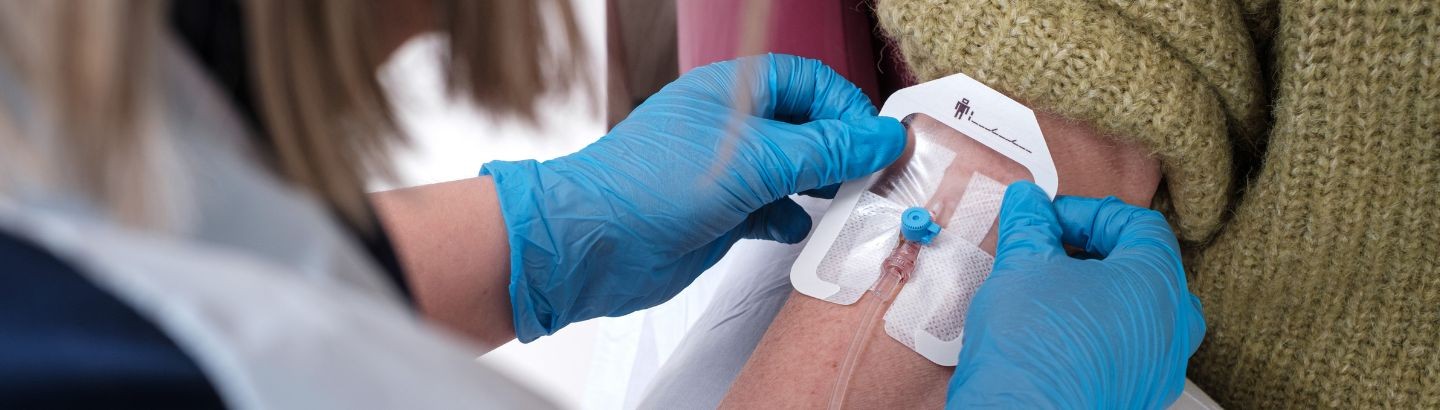
The Phoenix Unit has three treatment bays where you can sit while you receive care. It also has side rooms for private assessments. Our specialist chemotherapy nurses also provide some treatments in your home.
We also have an outreach site that is open two days a week. This is at Washington Primary Care Centre. You can come here for treatment.
We mainly give anti‑cancer medicines, but we also provide many other medical infusions and supportive treatments.
The Oncology and Haematology Day Unit is at South Tyneside District Hospital.
You will come here as an outpatient for treatment if you have cancer or blood conditions.
The Unit is run by nurses and led by consultants. The nurses carry out full assessments and plan, deliver and review care. They follow clear guidelines that are written with help from doctors and other health staff.
Treatments we provide here include:
-
Intravenous chemotherapy and monoclonal treatments. These medicines are given through a vein to kill cancer cells or help the body find and attack them.
-
Chemotherapy or immunotherapy into the bladder. This treatment puts medicine directly into the bladder to target cancer in that area.
-
Bone marrow biopsies and specialist blood tests. These tests take a small sample of bone marrow or blood to check for blood diseases or cancer.
-
Chemotherapy given by injection, under the skin, or by mouth.
-
Blood and platelet transfusions. These treatments give patients donated blood or platelets when their own levels are too low.
-
IV antibiotics, bisphosphonates, immunoglobulins, and iron infusions. These medicines are given through a vein to treat infections, protect bones, support the immune system or raise iron levels.
-
Hormone and targeted treatments that are not cytotoxic. These treatments block certain body signals or target specific cancer cells without using strong cell‑killing drugs.
Where can I find out more?
We have lots of information, advice and support for you on our Cancer Information Hub.
This looks at:
- General information about cancer
- Different types of cancer
- More details about screening, tests and scans, and treatment
- Cancer in young people
- How to manage your symptoms
- How to stay healthy and well
-
Advice on getting your body and mind as strong as possible before surgery or treatment, so you can recover faster and have fewer problems
-
Support services, links and guides
Phoenix Unit
We are on D Floor at Sunderland Royal Hospital.
There are two ways to find us:
- Kayll Road Main Entrance. When you come into the hospital go straight ahead to the lifts. When you get to D Floor follow the signs to Phoenix Unit.
- Chester Road Outpatients. This is entrance 5. Follow the corridor through outpatients until you come to the lift. This is at the end of the corridor on C Floor. Use the lift to go to D Floor and follow signs to Phoenix Unit.
You will need to check in at the unit's reception.
We also have clinics at Washington Primary Care Centre.
Oncology and Haematology Day Unit
We are on Ward 11 at South Tyneside District Hospital.
This is on the 3rd floor of the main hospital site.
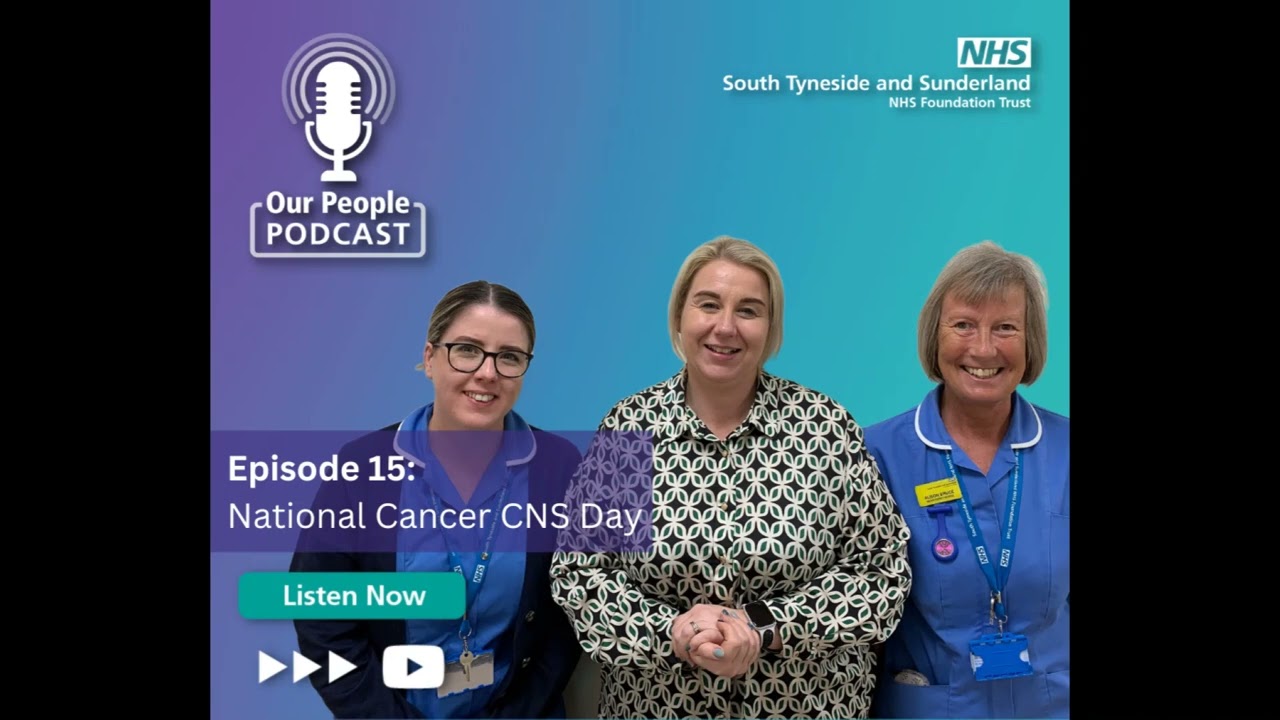
Listen to some past cancer-related episodes of Our People Podcast:
Our senior team in Oncology
Divisional director - Sheena Fish
Clinical director - Dr Ruairi Clark
Directorate manager - Liam McManus
Matron - Debbie Carr