Sunderland is known as a centre of excellence for eye services. We are a specialist provider of eye care. We look after people from right across the North East and beyond, if they have a problem with their eyes.
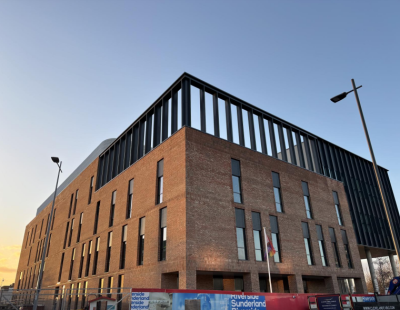
We will soon open our brand new Eye Hospital in the City Centre. You can read about this here.
What eye conditions do we treat?
We run a 24/7 eye emergency unit. It is the only one of its kind in the North East. We see people who have serious eye injuries that may risk their sight. We also treat less serious, but still urgent, eye problems. People come to us from other hospitals and services to see our expert eye team.
We ask all patients to call our emergency eye team before they come to our Eye Hospital. This helps us to triage the problem and get you the right treatment more quickly.
Our emergency number is 0191 5699952. Our team are there to answer the phone round the clock.
Cataracts is when the lens in your eye becomes cloudy. This causes blurred vision and loss of sight. It usually affects people as they get older. It can affect children too.
Our Cataract Treatment Centre (CTC) is one of the busiest units in the NHS. We see thousands of people every year to help improve their sight.
When you come for your surgery, you will usually be with us for about two hours before you go home. It is a day case procedure. The actual surgery time is not very long at all. We use a local anaesthetic to numb your eyes. You will need someone to pick you up and take you home after.
Glaucoma is an eye condition where the optic nerve gets damaged. This is the main nerve which connects the eye to the brain. It is most common in adults aged 50 and over. It can cause vision loss if we do not catch it and treat it early. The treatments we can give for this include eye drops, laser treatment or surgery. It is important that we keep checking your eyes.
We will see you on our Glaucoma Unit to check that treatment is working. It is important not to miss any of your check-ups.
Macular disease is an eye condition that affects the middle part of your vision. It is most common in adults aged 50 and over. Without treatment, your vision may get worse. This can happen slowly over the years. It can then get worse quickly over a few weeks or months.
The type of treatment we give will depend on the stage of your disease. We can give injections to slow down the changes in your vision. We will see you in our Macular Unit for check-ups.
The retina is the part of the eye that receives light. It converts this into signals sent to the brain to interpret.
A detached retina is when the thin layer at the back of your eye (retina) becomes loose. We must treat this quickly to stop it affecting your sight long-term.
We will see you in our Retinal Unit. You will need surgery to fix the problem. This usually stops your vision getting worse.
The cornea is the clear, outer part of the front of the eye. It is made up of an inner, middle and outer layer.
A cornea transplant is when we do surgery to replace all or part of a damaged cornea. It can improve your vision, or help with other eye problems.
A cornea transplant takes 1 to 2 hours. Most people go home the same day, but some people need to stay in hospital for 1 to 2 days.
The NHS is facing a shortage of cornea donors. This means many people across the country are living with sight loss when a transplant could help. Find out how to become a donor here.
We help people who have a squint. This is where the eyes point in different directions. It is particularly common in young children but can happen at any age. One of the eyes may turn in, out, up or down while the other eye looks ahead.
We also see people who have a lazy eye. This is when the vision in one eye does not develop properly. It is rare for this to affect both eyes. This is also common in young children.
A lazy eye does not always cause symptoms. We often find the problem during an eye test.
We call this is area of eye care Orthoptics.
We care for people who have neurological conditions that affect how they see. They may have eye movement problems or have double vision.
These eye problems could be due to other long-term conditions like MS. Or it might be from an acute illness like a stroke or a brain injury.
This is a specialist service we run. It looks at how the brain and nerves affect your eyes and vision. We work with our Neurology team to run this service.
Most eyelid problems are not serious and do not cause sight loss. They can feel uncomfortable like you have something stuck in your eye. They may also feel painful or like a burning sensation. Your GP or optician may refer you to us if the problem will not go away.
This might be because you have an infection, or you have inflammation in the eye. We also see and treat tumours and structural problems around the eye lid.
Where will my treatment take place?
Our specialist eye services run mostly from Sunderland Eye Infirmary. Later in 2026, we will move to our new Eye Hospital in the city centre.
We also run eye clinics from other Trust locations (click here). You can find the details of these locations below and how to get here. Your appointment letter will let you know which location to go to.
Who will look after me?
We have lots of eye experts who will look after you. This includes:
- Eye doctors who specialise in various parts of the eye. We call these Ophthalmologists.
- Optometrists who do the tests we need to assess your eyes.
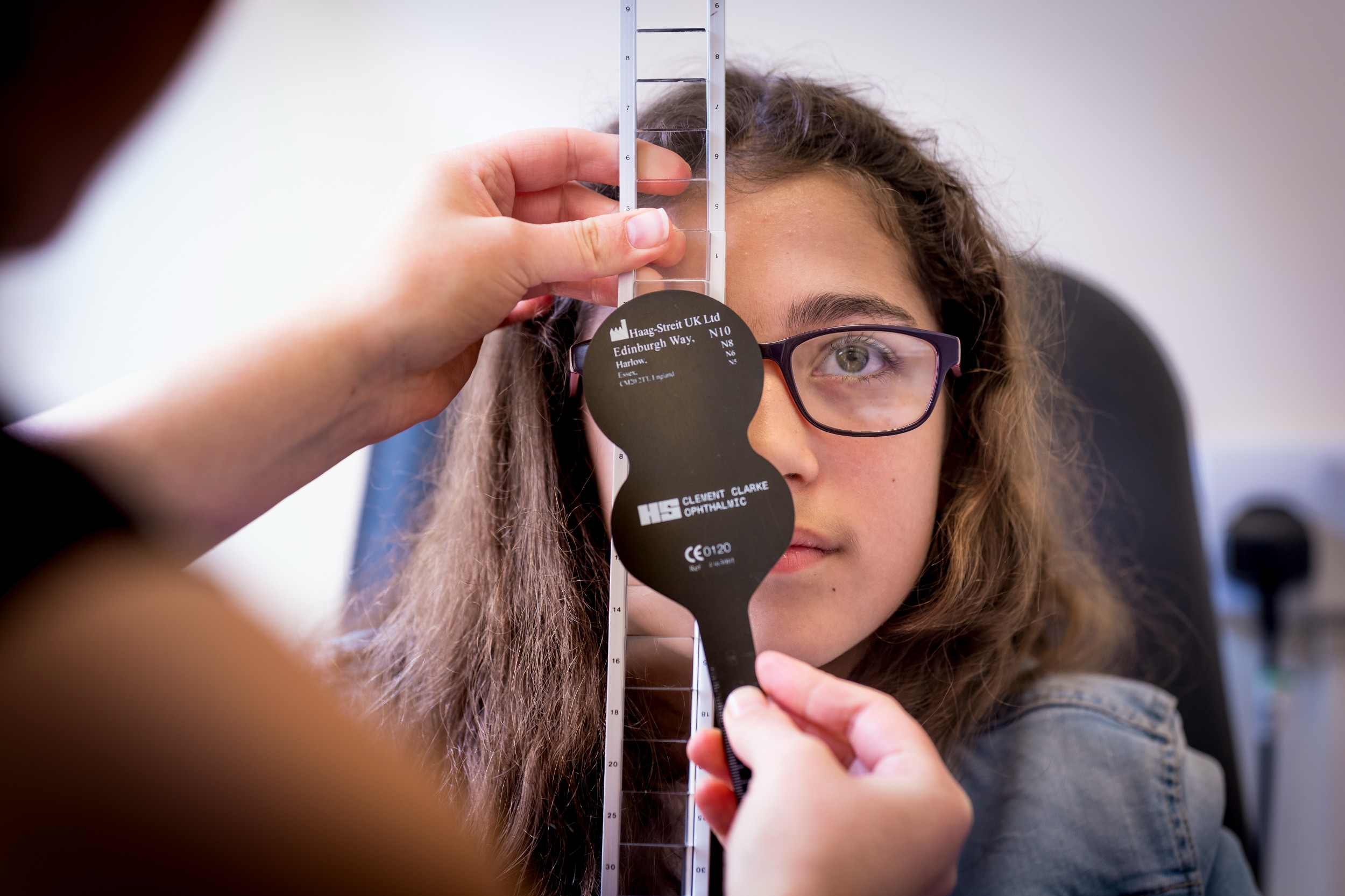
- Orthoptists who look after squints and lazy eyes and see lots of children.
- Specialist eye nurses who can do injections and treatments.
- Imaging staff who will help take pictures of your eyes.
- Our theatre teams and support staff.
Where can I find out more?
Our senior team in Ophthalmology
- Divisional Director - Caroline McGrath
- Directorate Manager - Paul Simpson
- Clinical Director - Mr Ajay Kotagiri
- Matron - Carol Jobling
Our consultants
- Ms Wendy Adams
- Mr Oliver Baylis
- Mr Muhammad Raza Cheema
- Ms Yanmei Chen
- Ms Adriana Chilinska
- Mr Mark Doherty
- Dr Ross Dryburgh
- Mr Karim El-Assal
- Mr Saurabh Ghosh
- Mr Lawrence Gnanaraj
- Mr Michael Grinton
- Mr Maged Habib
- Ms Yevukai Jaya
- Mr Ajay Kotagiri
- Mr Anshuman Kumar
- Mr Ibrahim Masri
- Dr Gemma Maxwell
- Mr Ankur Mehta
- Mr Stuart Osborne
- Ms Sayali Pradhan
- Mr Jonathan Smith
- Professor David Steel
- Mr Boon Lin Teh
- Mrs Deepali Varma
- Mr Nicholas Wride
- Miss Jia Y Ng