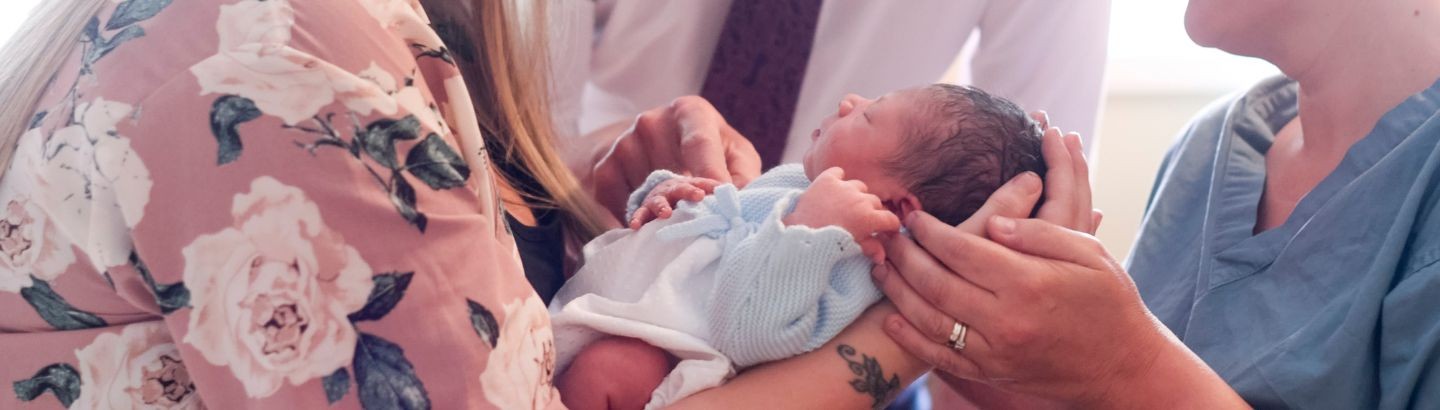
The period of time after your baby is born is called 'postnatal'. Your initial postnatal care will vary depending on the health and wellbeing of you and your baby.
What will happen after my baby is born?
How should I feed my baby?
How you feed your baby is a very personal choice. You will be given lots of support whichever method you choose.
Our maternity team can give you with lots of information and answer any questions that you have about feeding your baby.
We fully support all families to choose how they wish to feed their baby.
If you’ve attended our antenatal classes and have an idea about breastfeeding, then great. If you haven’t don’t worry.
To make sure you get your breastfeeding journey off to right best start, we’ll be there to support you every step of the way. This will help you to make sure both you and your baby get all of the benefits of breastfeeding, and support your growing bond.
You can always chat to your midwife both before and after you have your baby if you have any questions or queries about breastfeeding your baby.
The UNICEF website also has some useful information that you might want to read.
Listen to our World Breastfeeding Week podcast here:
We fully support all families to choose how they wish to feed their baby.
If you decide to bottle-feed your baby, we will be there for you whenever you need us. We can also help you or your baby if you need it.
It’s really important that formula feeds are sterilised correctly and made up safely at the right time. Powdered formula is not sterile and needs to be made up at the right temperature, which will kill any potential bacteria. The UNICEF website provides a handy guide to preparing formula and sterilising bottles.
Keeping your baby close and responding to feeding cues helps build a relationship with your baby. We recommend parents feed their baby themselves during the first few weeks. This helps to build a strong bond and ensures baby feels relaxed and secure.
You can always chat to your midwife both before and after you have your baby if you have any questions or queries about bottle feeding your baby. The UNICEF website also has some useful information that you might want to read.
What else should I know?
We will check your baby's health and give them a physical examination within 72 hours of being born. This might be done by a:
- paediatrician (children's doctor)
- midwife
- neonatal nurse (nurse that specialises in newborn care)
When your baby is between 5 and 8 days old, you'll be offered the blood spot (heel prick) test for your baby. Your midwife will also check your baby for signs of:
- jaundice (common and harmless yellowing of the skin)
- infection of the umbilical cord or eyes
- thrush in the mouth
If you have been to any of our antenatal classes, you’ll be aware of safe sleeping for your baby. If not, don’t worry – our maternity team will speak to you before you and your baby leave hospital.
It's important that you know how to put your baby to sleep safely. The safest place for a baby to sleep is in their own clear, flat, firm separate sleep space (e.g. a cot or Moses basket) in the same room as you.
You should:
- Lie your baby on their back
- Keep their cot clear
- Use a firm, flat, waterproof mattress
- Not smoke around your baby
- Sleep your baby in the same room as you for at least the first 6 months.
The Lullaby Trust website has some helpful information and advice for safe sleeping.