We are a regional centre for weight loss surgery. We help people to lose weight if they are clinically obese.
Having any weight loss surgery is not an easy option. It will not force you to follow a healthy diet. That depends on you. Yes, surgery can help you lose weight but how much you lose and how healthy you become, is down to you. It requires lots of hard work and strength of mind.
There are lots of steps to take before we even think about weight loss surgery. The answer may not always be weight loss surgery.
Click on the links below to find out more.
What happens first?
If your GP refers you to us, the first thing we do is invite you a group session. This will be with other patients who are in the same position as you. Here, you will find out more about our service. This session may be in person or virtual.
This will be the first time you meet some of our team. We will let you know what will be involved in your care. We will also let you know what you need to do to make sure your surgery is successful.
You will have a chance to ask questions. Click here to watch a video about our service.
You will then see one of our specialist nurses and one of our dieticians. They will take a full medical history from you. They will ask you about your eating habits. We want to know what your usual routine is like and how much exercise you do. This is to help us know more about you.
We may think you need some expert psychological support. We will arrange this for you. We want to make sure we prepare you fully. There may be some things that you need to talk through before surgery. Surgery cannot fix things if you do not make other changes in your life.
Please be honest with us as this will help us decide the best treatment plan for you. At this first appointment, we will give you a weight loss target to achieve. We will need you to start making changes to your diet before surgery. The more you prepare yourself now, the better you will cope after the surgery.
To help you with your diet, you must attend our education programme. This consists of six group sessions. Each session will last up to two hours. Our dietetic support workers run these group sessions. They are experts in food and nutrition. There will be up to eight people in your group. The sessions will take place in person and virtually.
You will learn lots of helpful tips to support you on your weight loss journey. Once you have done these sessions, we will discuss your progress with you and decide on a treatment plan.
What type of surgery will I have?
Weight loss surgery restricts how much you can take in at a time. This helps you to limit your food intake and therefore lose weight. You are still ultimately responsible for the food you choose to eat. You will need to use willpower to stop eating foods such as crisps, chocolate and biscuits. Even small amounts of these foods can slow down your weight loss.
There are three main types of weight loss surgery. Click here for more information.
- Gastric balloon – this goes in your tummy and gets inflated to take up space. It helps you feel full more quickly and eat smaller portions.
- Gastric band – this is a small, adjustable ring that goes around the top part of your tummy. It makes a small pouch and helps you feel full sooner.
- Gastric bypass – this is when we make your tummy smaller. We make a small pouch and connect this directly to your small bowel. This makes you feel full quickly and absorb less calories.
- Gastric sleeve – this is when we remove most of the tummy to make it much smaller. It means you can hold much less food and you will feel full quickly.
We will welcome you onto Ward F62. This is where we look after our weight loss surgery patients. There is a day room where you and your loved ones can wait in until your bed is ready. Click here to see how to prepare and what to expect when you stay in hospital.
When you are settled, we will do the following:
- Check your personal details and give you an ID bracelet to wear during your stay.
- Record your basic obs, such as blood pressure, pulse and weight.
- Introduce you to your named nurse who will look after you. Their name will on the board above your bed. This will also show the day we expect you to go home.
- We may take some blood from you. If you are diabetic, we may also need to put you on a drip to help steady your blood sugars.
- We will ask you to take a shower and we will give you a gown to wear. We will also give you some stockings to help prevent any blood clots.
The medical team will come to see you. They will explain the procedure with you and the consent process. One of our anaesthetists will also come to see you.
We will let you know what time your surgery is and when you must stop eating and drinking (nil by mouth).
You will get a daily injection in your stomach until your day of discharge. This medication helps to prevent blood clots.
A pharmacist will check what medicines you take and give you advice on how this may change. You might be able to stop some taking some after your surgery. We also might need to change your dose. We will go through things one by one and make sure you are clear on what to do. We will also let your GP know about any changes we make.
Once you get back to the ward, we will make sure you are comfortable. We will a check on you regularly.
As soon as possible, we will ask you to start drinking water. We will keep your drip in place to keep you hydrated as you start to do this. We will move you onto pureed foods once we are happy with your progress.
We will encourage you to get up and move around and walk to toilet/bathroom with help.
Before you leave hospital, one of our dieticians must see you. You will need to take vitamins / mineral supplements for the rest of your life. The dietitian will talk to you about this and answer any questions you have. They will also give you a diet to follow. You will need to follow a pureed diet for four weeks after surgery. This is important to aid the healing process.
You will also see a pharmacist. If you are diabetic, one of our team will also see you before you go.
We will give you advice on how to look after your wound. We will also give you some dressings to take with you. You will need to go to your GP surgery so a nurse can check your wound. If this is not possible, we will arrange a nurse to come and see you at home.
You must wear your stocking for four weeks after your surgery top help prevent blood clots.
We will call you seven days after you leave hospital. This is to check you are okay, provide post op advice and for you to ask questions you may have. Please make sure you give ward staff your most up to date telephone numbers. When we call you, it will appear on your phone as 'withheld number'. Please answer as it is only us.
We will arrange to check on you at regular intervals. We want to help you achieve the best results from your surgery. How often we see you will depend on which type of weight loss surgery you have.
We will check your weight loss, any medicines you take and discuss your food intake. We will also organise blood tests if we need to.
Nurse led urgent review clinic
We hold this clinic twice a week. You can access the clinic for advice and support. We can help you with your weight loss target or if you are struggling with motivation. We can also help you after your surgery.
Simply call and make your appointment. We are always there to support you.
Please do not hesitate to get in touch. You can call us on 0191 565 6256 and use extension 42570 or 42708.
Who will look after me?
Our specialist weight loss team will look after you. As well as our surgeons, there are lots of other experts who will be involved in your care. This includes:
- Bariatric nurse specialists who are experts in weight loss care.
- Our dieticians will give you help and advice about food. They will help you as you prepare for surgery and recover.
- Psychologists who can help if you need support with your emotional needs. You might need to talk about how to make changes for a healthier lifestyle.
- Our theatre team and lots of other doctors, nurses and healthcare assistants on our ward.
Together, our team of experts will help you decide on the best treatment path. They will talk to you about the surgery options.
Where will my treatment take place?
You weight loss surgery will take place at Sunderland Royal Hospital.
We will look after you on Ward F62.
Click here for directions to Sunderland Royal Hospital.
Ward F62 is on F floor. This is the top floor of the hospital.
If you have an outpatient appointment, this will be in Chester Wing. This is on C floor (Entrance 5).
If you are coming to see our clinical psychology team, this is in Chester Lodge. The team is on the 4th floor. Click here to see a site map.
For details of our other Trust locations click here.
Where can I find out more?
- Weight loss surgery education video – click here.
- Weight loss service leaflet – click here.
Pre surgery diet:
- You must follow a strict diet 10 days before your surgery ONLY - click here.
This is to reduce the size of your liver and make the operation safer. You must not use this at any other time. There are three options to choose from:
- Diet one – click here. Unless you are diabetic, this is the diet you must follow.
- Diet two – click here. If you have diabetes and control this with diet or tablets, this is the diet you must follow.
- Diet three – click here. If you have diabetes and take insulin, this is the diet you must follow.
Post surgery diet:
- Pureed meals – click here.
Websites:
- Self-help information on Emotional Eating - click here.
- Information & workbooks on Eating Disorders - click here.
Books:
- Living with Bariatric Surgery (Ratcliffe, D. 2018) , Abingdon, Ox: Routledge. ISBN 9781138217126
- Understanding and Managing Emotional Eating (Ratcliffe, D. 2024) , Abingdon, Ox: Routledge. ISBN 9781032664347
Our senior team in weight loss surgery
- Divisional Director - Caroline McGrath
- Associate Divisional Director – Caroline Bell
- Directorate Manager - Susan Askew
- Clinical Director - Will Carr
- Matron - Jonathan Watters
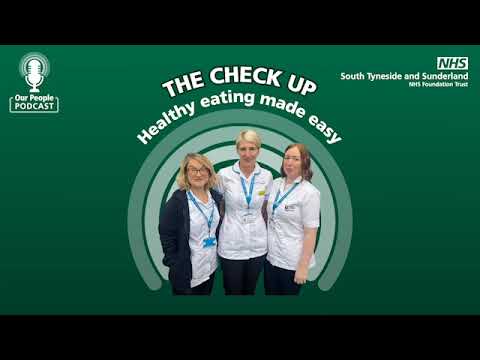
Click on the link below to listen to our Podcast with our expert dieticians