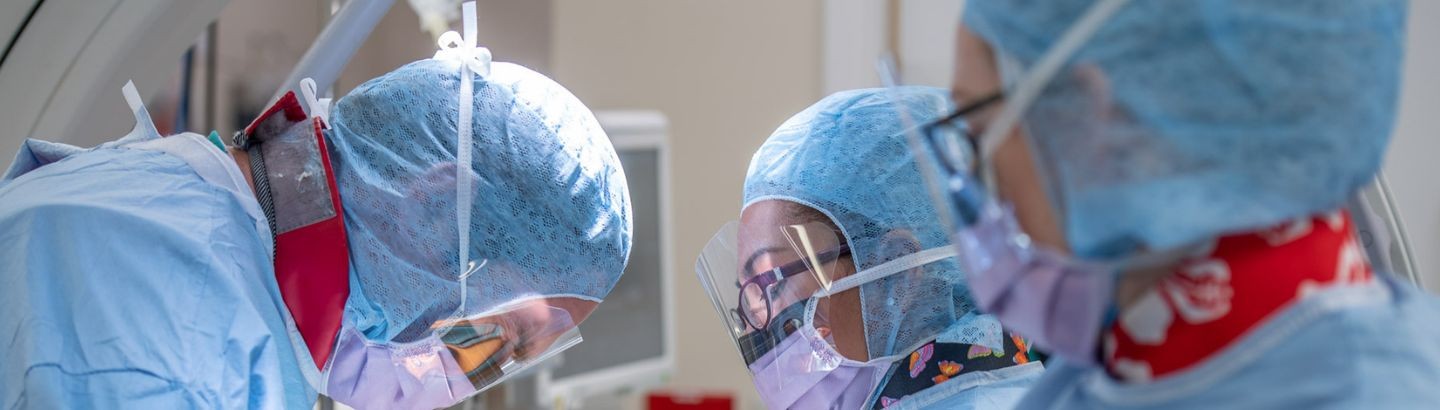
Anaesthetics is the area of medicine that helps people stay safe and comfortable during surgery.
Doctors who give anaesthetics are called anaesthetists.
Anaesthetics work by making part of your body numb or by helping you fall asleep so you do not feel pain during an operation.There are three main types:
- Local anaesthetic – numbs a small area of your body. You stay awake.
- Regional anaesthetic – numbs a bigger area, like from the waist down. You may be awake or sleepy.
- General anaesthetic – puts you into a deep sleep so you feel nothing.
During your surgery, the anaesthetist watches you closely. They check your breathing, heart rate, blood pressure and comfort. They make sure you stay safe the whole time.
After surgery, the anaesthetist also helps manage your pain so you can recover more easily.
Anaesthetics are an important part of modern medicine. They help doctors do procedures that would otherwise be too painful or stressful.
What services do we provide?
If you have surgery planned you will need to go to the PREP clinic.
PREP stands for preoperative risk evaluation and preparation.
This is a service led by nurses. Clinical advice is given by anaesthetic consultants.
At the PREP clinic the team:
- Check your other health conditions to help you get as healthy as possible before your surgery
- Give you clear information that will help you prepare
- Plan for your safe discharge from hospital
Our Anaesthetics team looks after our most unwell patients in our Critical Care Units at Sunderland and South Tyneside.
In Critical Care, every patient is watched closely. Nurses and doctors check their breathing, heart rate, blood pressure, and other vital signs all the time. There is also special equipment to support them, like breathing machines (ventilators) or pumps that give medicines.
Anaesthetists play a key role in Critical Care. They are experts in managing pain, breathing, and the body’s response to illness. In Critical Care, they:
- Help support patients who need help with their breathing
- Give strong medicines to keep patients calm and comfortable
- Manage pain for patients who cannot speak for themselves
- Make decisions about treatment for patients who are very unwell
- Work with nurses and other doctors to help patients get better
Our anaesthetic outreach service is a team of anaesthetists and specialist nurses who visit patients on the hospital wards. These patients may be at risk of becoming more unwell or may need extra support.
The outreach team:
- Checks patients who need closer monitoring
- Helps manage pain if it is difficult to control
- Supports patients who have breathing problems or low blood pressure
- Gives advice to the ward nurses and doctors
- Helps decide if a patient needs to move to Critical Care
This service makes sure patients get expert help early, even if they are not yet in a Critical Care Unit. It helps keep patients safe and can stop their condition from getting worse.
Our anaesthetics team is available to help in the maternity unit 24 hours a day. This is where women give birth.
During labour
When a woman is in labour, an anaesthetist can give pain relief if she needs it. The most common type is an epidural. An epidural:
- Numbs the lower part of the body
- Helps ease strong labour pain
- Allows the woman to stay awake and alert
- Can be adjusted as labour goes on
The anaesthetist checks the mother’s blood pressure, comfort, and safety while the epidural is working.
During a caesarean section
If a woman needs a caesarean section (C-section), an anaesthetist provides the right type of anaesthesia so the surgery can be done safely. Most C-sections use:
-
Spinal anaesthetic – numbs the body from the waist down
-
Epidural top‑up – if the woman already has an epidural for labour
-
General anaesthetic – used only when necessary, such as emergencies
The anaesthetist:
-
Makes sure the mother feels no pain during the operation
-
Monitors breathing, heart rate, and blood pressure
-
Keeps the mother calm, safe, and comfortable
-
Provides pain relief after the birth
A Hickman’s line is a soft, flexible tube that is placed into a large vein in the chest. It is used when a patient needs treatment over a long period of time.
Anaesthetists often help with this service because they are skilled at placing lines safely and calmly.
A Hickman’s line is used for:
- Chemotherapy
- Long‑term medicines
- Taking blood samples
- Artificial feeding when a person cannot eat normally
The line makes treatment easier because it means:
- Fewer needles
- Quick access for medicines
- Less discomfort for the patient
The team also teaches patients and staff how to keep the line clean to prevent infection.
Our anaesthetics team helps with pain management for patients who are staying in hospital.
They also help those who live with long-term pain at outpatient clinics. They are in different places around the region so patients can get care closer to home.
Where can I find out more?
South Tyneside District Hospital
The Anaesthetic department and the Intensive Care Unit (ICU) are on the ground floor of the main hospital building. Use the Main Entrance at Ingham Wing.
The outpatient clinic for preoperative assessment is on the 3rd floor of the main hospital building. Use the Main Entrance at Ingham Wing.
The outpatient clinic for Rehabilitation after Critical Illness (RaCI) is in the outpatient department. Use the entrance to the left of the Emergency Department.
Sunderland Royal Hospital
The Integrated Critical Care Unit (ICCU) is located on C level of the main building. Use the Kayll Road entrance and follow signs to the department. You will need a member of staff to let you in.
Outpatient pain clinics
Outpatient pain clinics are located at Washington Galleries Health Centre, Cleadon Park Health Centre, Chester Lodge and the Chester Wing of Sunderland Royal Hospital.
You can find more details on these locations by clicking this link: Our locations
You can reach our secretaries Monday to Friday from 8:00am to 5:00pm. Call the numbers below:
- For South Tyneside District Hospital call 0191 202 4046
- For Sunderland Royal Hospital call 0191 565 6256 and use extensions 42446 or 52097
Our senior team in Anaesthetics
- Co-Clinical Directors - Dr Peter Hersey and Dr Sean Hope
- Divisional Director - Caroline McGrath
- Directorate Manager - Louisa Robinson