In this service, we look after people who have illnesses that we cannot cure.
We use the word ‘palliative’ to describe the care we give when there is no cure. You can have palliative care for months or years before you are nearing the end of life. It does not mean that someone is about to die.
‘End of life care’ is how we describe the care we give when treatment is no longer working. This is usually in the last year, weeks and days of life. We want to support you and your family to plan for death. End of life care should help you to live as well as possible until you die, and to die with dignity.
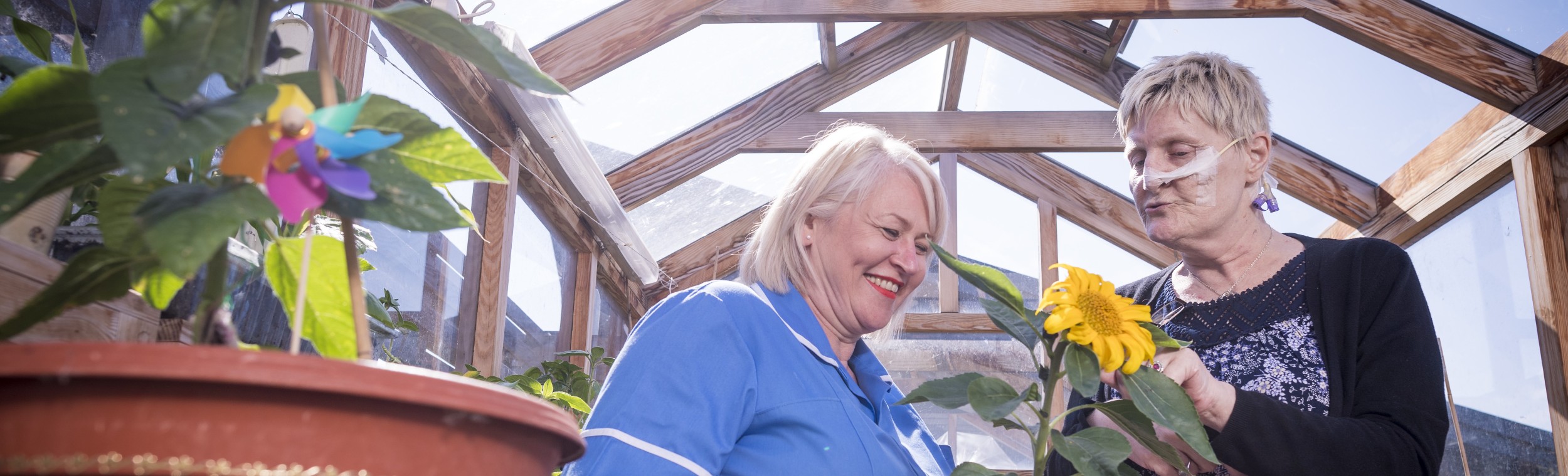
We will support you with all your needs. As well as your physical care, we will support mentally and with any spiritual or cultural needs. There are lots of things to think about and we will support your loved ones too.
What services do we provide?
We look after people at home to give palliative care. This is where we deliver most of our care. This includes when people live in a care home. We help people to manage symptoms, control pain, and live as well as possible. We are also there at the end of life. Most people choose to die at home, and we are there to support you and your family.
We also provide specialist care in hospital at the end of life. We have an expert team who support other medical and nursing staff when a patient is nearing the end of life in hospital.
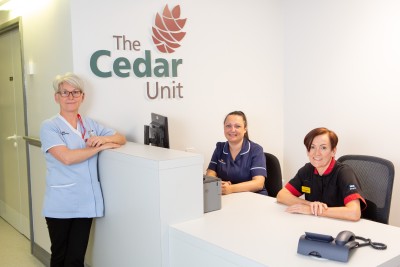
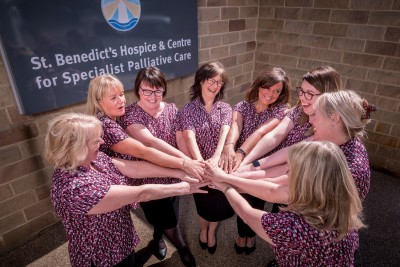
We run dedicated ‘end of life’ services where people choose not to die at home or in hospital. In South Tyneside we run The Cedar Unit in Haven Court. In Sunderland, we run St Benedict’s Hospice.
What if I need help out of hours?
Don’t worry, we are here 24/7 to support you.
Our Out-of-Hours Palliative Care Nursing Team is only ever a phone call away. They give advice and care during a crisis and help people at the end of life.
We work closely with district nurses to support their patients out of hours. We respond urgently and stop people needing to go into hospital at the end of life.
People can contact the team for help with symptoms, a full health check, verifying a death or getting bereavement advice.
Anyone can call the team to make a referral.
To reach our Out of Hours Palliative Care Team use the numbers below.
- South Tyneside: 07768614963
- Sunderland: 07798925128
- Care Coordination Hub (24/7): 0191 565 6100
How can I prepare?
You have the right to make choices about your care and treatment throughout your life. Deciding Right helps you plan ahead in case there comes a time when you cannot make decisions yourself.
For more information, click here.
How can I make care decisions in advance?
There are four main ways to make sure your wishes are known:
1. Advance statement
This is where you write down what matters to you. It can include your wishes, beliefs, and daily preferences. You can write it on your own or with help from your family, carers or healthcare team.
2. Advance decision to refuse treatment
This is when you tell us which treatments you do not want in the future. You let us know now before you cannot make decisions. It can be a simple conversation with your care team. If you want to refuse further treatment, this must be clear. We will document this in your notes.
3. Lasting Power of Attorney (LPA)
You can choose someone you trust to make decisions for you if you lose capacity. This is a legal process and done through a solicitor or the Office of the Public Guardian. There is a cost.
There are two types of LPA:
- Property and Financial Affairs – decisions about money and property.
- Health and Welfare – decisions about your care and treatment.
4. Emergency Healthcare Plan
It is good idea to have one of these in place if your illness means you might have a sudden emergency. For example, a seizure or asthma attack. It guides carers and emergency teams on what to do, who to contact, and what treatments or first aid to use.
Who will look after me?
We have a fantastic team of specialist nurses. They are experts in palliative care and end of life. It is these specialist nurses who will look after you and deliver most of your care. They will make sure you get everything you need.
They work with specialist Palliative Care Consultants and GPs. These are the medical team who will oversee your care. They also work with other staff like therapists.
We all work together to give you and your family the best care possible.
End of life care is support for people who are in the last months or years of their life. The aim is to help you live as well as you can and to die with dignity. Staff should ask about your wishes and include them when planning your care. They should also support your family, carers or anyone important to you.
Your choices
You have the right to say where you want us to care for you and where you would like to die. We can care for you at home, in a care home, hospice, or hospital. The place of care should match your needs and preferences.
Your care team
A doctor will see you regularly. If they believe you may be nearing the end of your life, they should explain this to you and to those close to you.
Lots of other experts will support you and your family. They will help you to manage your pain and symptoms. They will also look after your emotional, social or spiritual needs.
What to expect
- Staff should speak with you and your loved ones honestly and kindly.
- You should be involved in decisions about your care, if you want to be.
- Your family will get the support they need too.
- Your care plan should be personal to you and delivered with compassion.
We are there to support you and your family around the clock.
Where can I find out more?
- What happens when someone dies - click here.