We are a friendly and private service based at Clarendon. We help men and women in South Tyneside and Sunderland with bladder and bowel problems. Click here for information about our Children's bladder and bowel service.
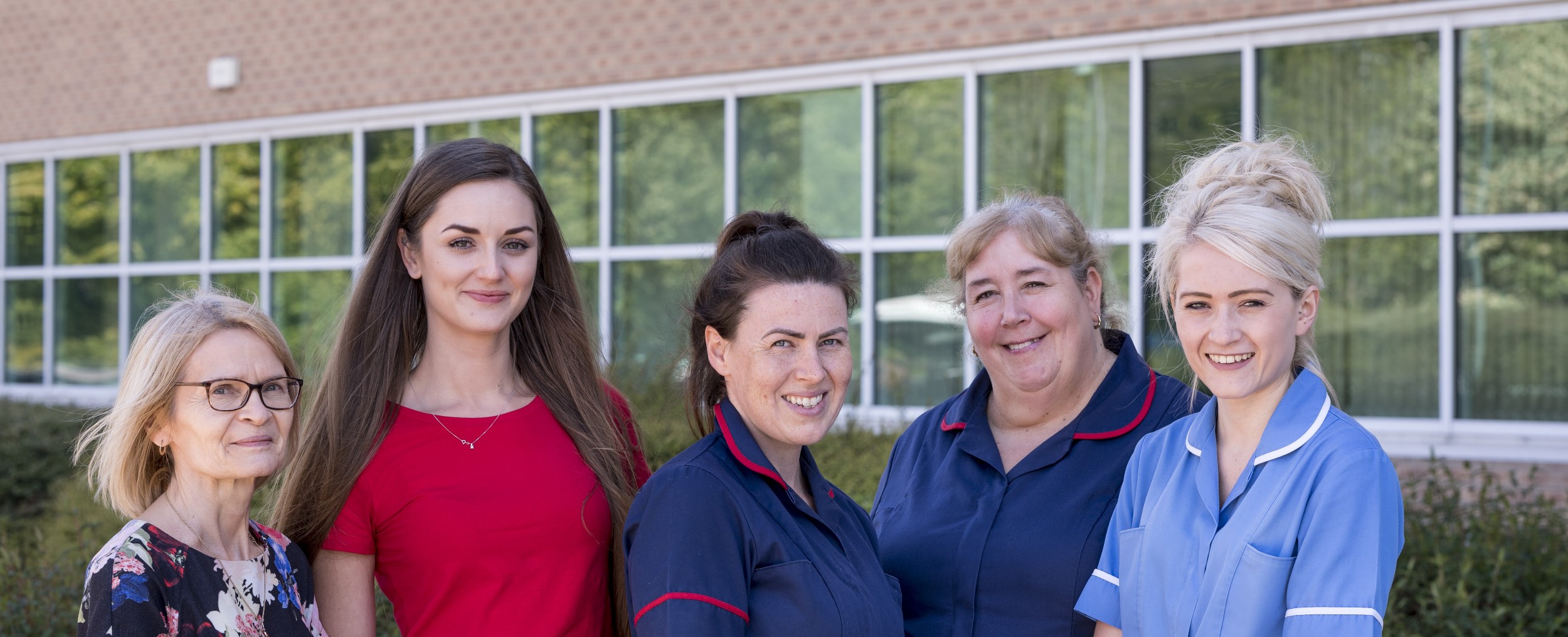
Our team includes specialist nurses, an assistant practitioner and admin staff. We run nurse-led clinics and support care homes and hospitals. We also visit people at home when needed.
What conditions do we treat?
The team gives advice on all parts of continence care. This includes how to prevent problems, how to assess symptoms and what treatments or support may help. We help with both bladder and bowel conditions and make sure care is right for each person’s needs.
- Bowel incontinence is when you cannot control when you poo.
- Urinary incontinence is when you cannot control when you wee.
Incontinence is common. About 3 million people in the UK live with it. It can affect anyone, any age, gender, race or disability. It can have a big impact on daily life. Incontinence is not a disease. It is a symptom, and it can have many causes. Getting help is important so you can find out what can be done.
We can also give you advice about pads and any other products.
Constipation is where you have changes to how you poo, including not pooing as often or finding it hard to poo. It's common and it affects people of all ages. You can usually treat it with simple changes to your diet and lifestyle.
Urinary Tract Infections (UTIs) affect your urinary tract, including your bladder (cystitis), urethra (urethritis) or kidneys (kidney infection). UTIs may be treated with antibiotics, but they're not always needed.
Recurrent Urinary Tract Infection (UTI) in adults means having repeat infections in the bladder or kidneys. Doctors say it is “recurrent” when you have:
- three or more UTIs in the last 12 months, or
- two or more UTIs in the last six months.
Pelvic floor dysfunction means you cannot relax or use your pelvic floor muscles in the right way when you try to poo. It can cause constipation, straining, leaking pee or poo and needing to pee often.
Treatments can include:
- biofeedback
- pelvic floor exercises with a therapist
- medication
What services do we provide?
Recovery after prostate surgery takes time. It is a slow, steady process. Most people stay in hospital for one to two nights. Many can return to most normal activities within four to six weeks.
You should keep moving with gentle activities, like walking. You should not do any hard or strenuous activities for at least six weeks.
Intermittent Self‑Catheterisation (ISC) is a simple and safe way to empty your bladder. You do this by gently putting a thin, single‑use tube (called a catheter) into the urethra. Most people need to do this four to six times a day.
ISC helps stop wee from staying in the bladder. This can prevent infections and protect your kidneys. It is used when the bladder cannot empty on its own. Many people find that ISC gives them more comfort and independence.
Some people have inflammatory diseases that affect the bladder or bowel. These include Crohn’s disease, ulcerative colitis (IBD) and Bladder Pain Syndrome (BPS/IC).
These conditions often happen together because the bladder and bowel sit close to each other and share some of the same nerves.
These illnesses can cause ongoing pain, diarrhoea and a frequent or urgent need to pee. Symptoms may come and go in “flares.” Treatment can include medication, changes to diet or lifestyle, and sometimes surgery if the inflammation is severe.
Our team helps patients manage these conditions so they can feel more comfortable and in control.
Rectal irrigation is a safe way to help manage severe constipation or bowel leakage. It works by flushing the lower bowel with warm water at home. This helps you empty your bowel in a controlled way.
You must have a specialist assessment and training before starting. This is because the equipment is prescribed and must be used correctly.
Rectal irrigation is not the same as spa or salon “colonic irrigation.” It is a medical treatment used to help people manage their bowel symptoms safely.
Where will my treatment take place?
- South Tyneside – Cleadon Park and Palmer’s Community Hospital.
- Sunderland – Southwick, Grindon, Houghton, and Riverview.
- We also visit people at home to carry out checks and give advice.
If you come to a clinic, we will send you a letter. It will include bladder and bowel charts. Please fill these in and bring them with you or send them by email. They help us plan your care.
We will ask you some questions about your symptoms. If needed, we may offer:
- A vaginal exam (for women)
- A rectal exam (for men)
These help us give you the right exercises.
At your first visit, we will give you advice and show you how to do pelvic floor exercises. Try these for 12 weeks. If you still need help, we will talk about other options like medicine or seeing a hospital doctor.